Emma Butcher
Jan 07 2026


There is something undeniably classic about a wood fence in Northeast Ohio.
Whether you’re driving through the tree-lined streets of Cleveland Heights, admiring the double-decker porches in Lakewood, or building a backyard retreat in Strongsville, wood just fits. It has that warm, organic texture that vinyl can’t quite mimic. It smells good. It looks established. It feels like home.
But let’s be real about “The Land.” We have weather that frankly disrespects wood.
Between the soaking rains of a Cuyahoga spring, the humid baking of July, and the freeze-thaw violence of a Lake Erie winter, a wood fence has a hard life here. If you hire a budget builder who slaps up some pine panels from a big box store, that fence is going to turn gray, warp, and lean before the Browns find their next franchise quarterback.
When you start typing “wood fence contractors near me” into your browser, you aren’t just looking for a guy with a truck and a post-hole digger. You need a craftsman who understands how to build with organic materials in the Snow Belt.
So, if you want a wood fence that stays straight and sturdy, here are the top 5 qualities you need to demand from your contractor.
This sounds like a tiny detail, but in Cleveland, it’s actually the most important structural component of a wood fence.
Wood is organic. It’s alive. When it rains (which it does, constantly), the wood absorbs water and swells. When it dries, it shrinks. That constant movement pushes smooth nails right out of the wood.
If your local wood fence installers can’t tell you what kind of nails they use, be on alert. At Superior Fence & Rail, we use ring-shank nails that don’t rust and don’t let go.
We all know the winters here are tough, but the snow isn’t actually the worst enemy. The ice under the ground is.
In Northeast Ohio, the frost line (the depth where the ground freezes solid) creates massive hydraulic force. If a contractor sets your posts shallow—say, 24 inches—the ground freezes under the post. Over a few freeze-thaw cycles, it pushes the post up. This is why you see so many leaning fences in April. They didn’t blow over; they were heaved out.
Ask any potential contractor: “How deep do you set your posts?”
It’s a fact that in Cuyahoga County, you need to go deep. A quality fence builder targets a depth that beats the frost, using concrete to anchor the post so it stays put through the freeze-thaw cycle. If a contractor tries to save money on concrete or digging labor, they are building you a temporary fence.
If you live in Brecksville, Strongsville, or Gates Mills, you know the struggle. The deer population is exploding, and they treat your hostas like a salad bar.
A standard 4-foot picket fence might look cute, but for a determined whitetail deer, that’s just a speed bump. A local pro understands that in many Cleveland-area neighborhoods, a fence isn’t just about property lines; it’s about protection.
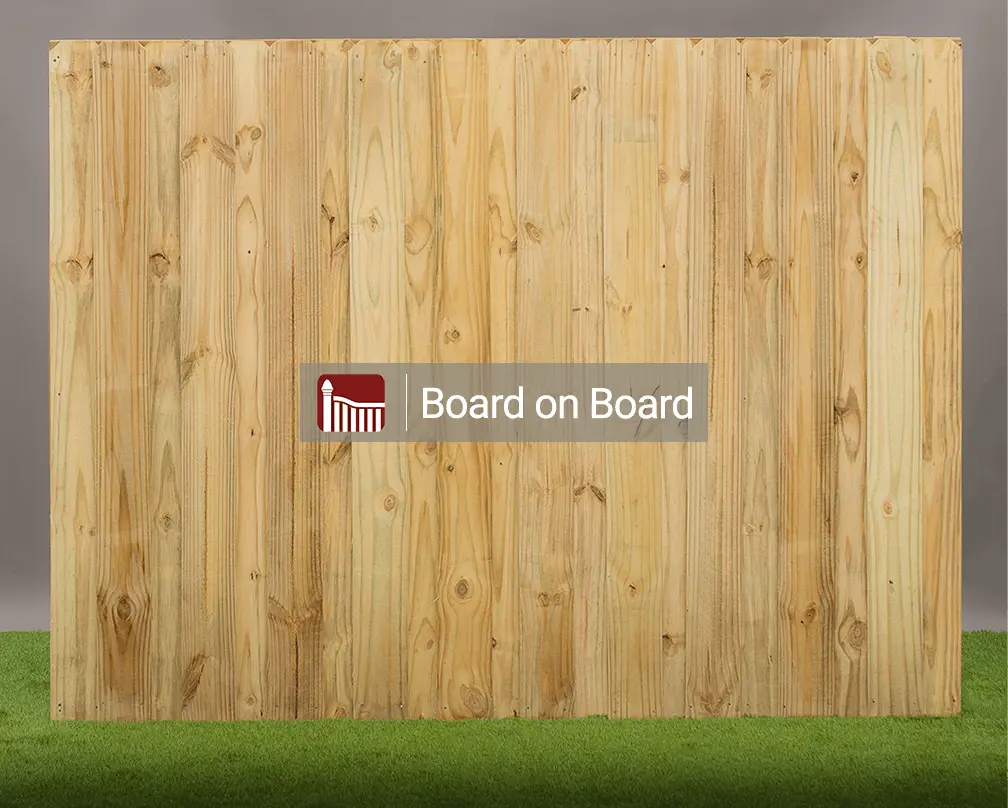
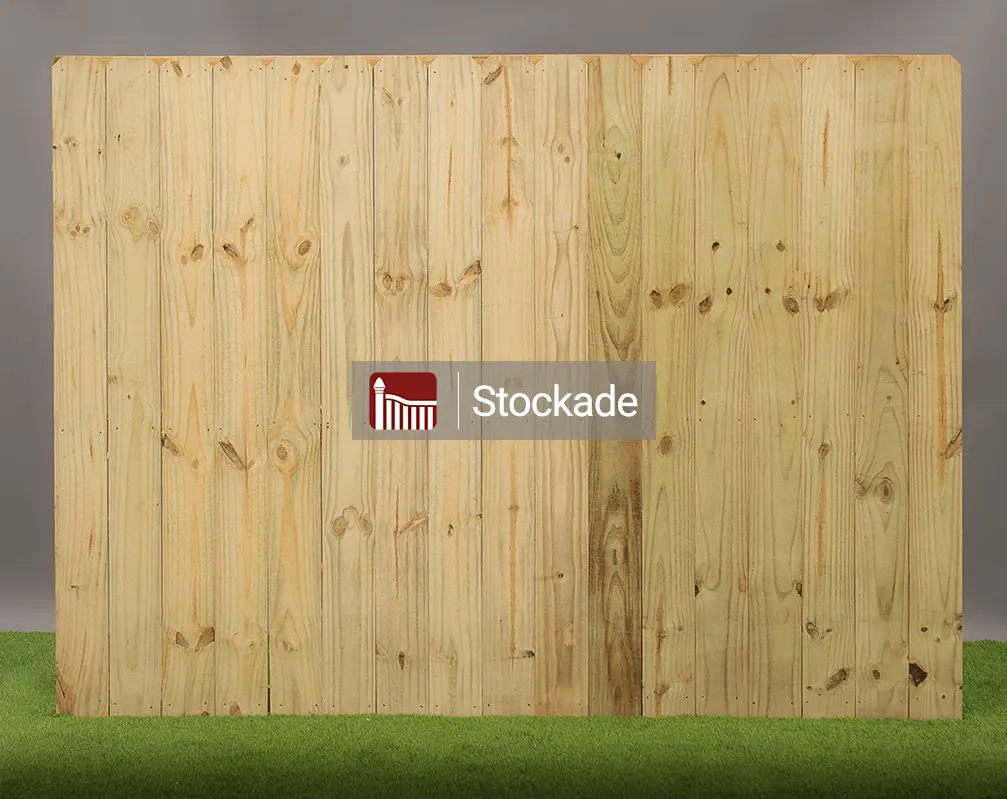
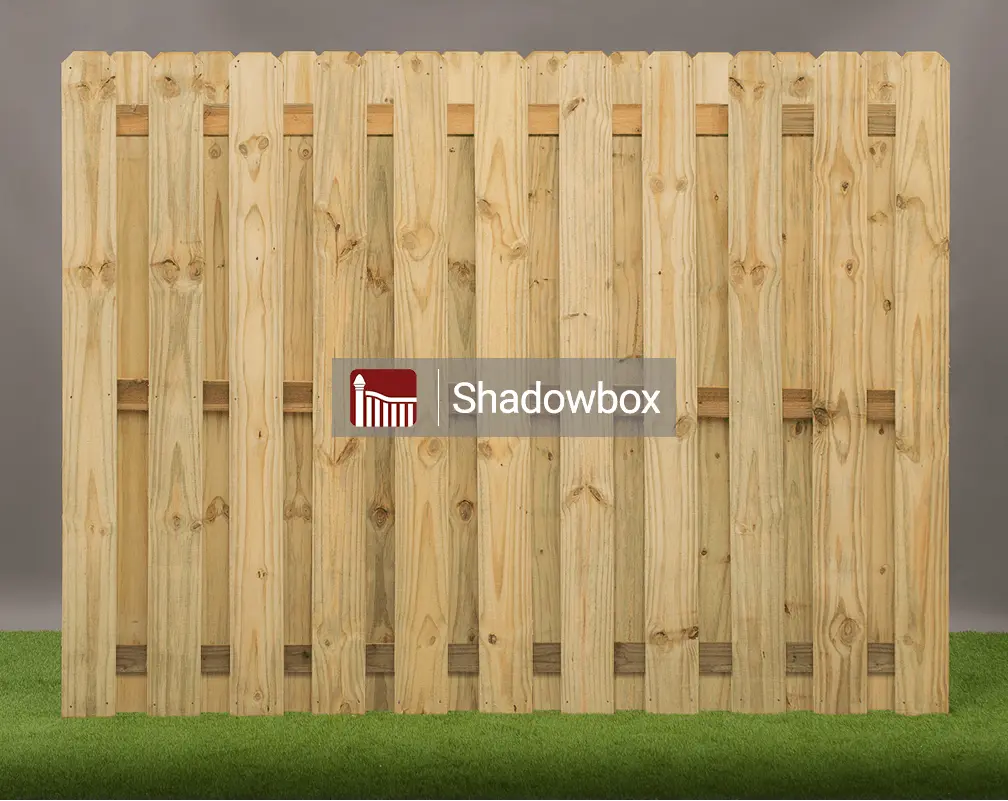
Your contractor should be able to discuss fence height and spacing. They should know which suburbs allow 6-foot privacy fences (which act as a visual deterrent—if the deer can’t see the landing zone, they are less likely to jump). They should suggest styles like Board on Board or Stockade that offer privacy without looking like a fortress, protecting your landscaping from the local herd.
Cleveland isn’t a cookie-cutter city. We have distinct architectural styles, and your fence shouldn’t look like an afterthought.
A simple dog-ear stockade fence might look fine in a new subdivision, but it looks out of place next to a historic Victorian in Lakewood or a 1920s Bungalow in Shaker Heights.
A quality local wood fence company shouldn’t just be an order taker. They should be a designer. If they can’t show you a portfolio of different styles that match your home’s era, keep looking.
If a contractor tells you that a wood fence is “maintenance-free,” they aren’t telling you the truth.
Wood is beautiful, but it requires love. Ultraviolet rays will eventually turn even the best cedar gray. Rain will eventually cause swelling. A quality contractor will be upfront about this during the estimate, not after the check clears.
Instead of telling maintenance-free myths, a professional wood fence installer should talk to you about staining and sealing.
You don’t have to stain a cedar or pressure-treated fence (our lumber is warranted against rot regardless), but for maximum lifespan it’s recommended. And if you want to keep that warm, golden color, a wood fence needs to be sealed. A pro will recommend waiting a few weeks for the wood to fully cure and dry out before applying any paint, stain, or sealant.
In the fencing world, the most expensive fence is the one you have to pay for twice. It’s easy to save money upfront on a quote that uses cheap wood or skimps on the concrete, but in the Snow Belt, nature collects on that debt quickly. Whether it’s frost heave pushing shallow posts out of the ground in the Spring or smooth nails popping out of swollen pickets in the Summer, a “bargain” fence often becomes a teardown project in just five or six years.
Don’t pay long-term money for a temporary fence! Choose the team with the buying power to source premium pressure-treated lumber and the local expertise to install it below the frost line. With hot-dipped galvanized ring-shank nails and a 15-year structural warranty on our posts and rails, Superior Fence & Rail builds fences that survive the Lake Effect. Reach out to Superior Fence & Rail of Cleveland today for a free estimate.
Great Fences Make Great Neighbors!
Your Superior Fence and Rail service team is standing by! Get a fence installation quote today!