
DIY vs. Professional Vinyl Fence Installation in Columbus: What Homeowners Need to Know
- Emma Butcher
-
May 15 2026


There is a very specific lifecycle to the DIY fence project, and it goes like this:
It starts on a Saturday morning in late spring—coffee in hand, that perfect Ohio weather, and a neighbor’s dog that has been digging under your bushes for the third consecutive week. You walk the perimeter of your yard and have the thought that has launched a thousand regrettable weekends: How hard can it be?
Pretty hard, as it turns out.
You rent a truck, load up on white plastic panels from the big box store, and get after it. Three weekends later, your lower back has filed a formal complaint, your yard looks like an archaeological dig, and the fence line is weaving like OSU students on the way home from a tailgate. Your spouse has stopped asking when it’ll be done.
After one winter freeze-thaw cycle, you have regrets. And as the years go on and the vinyl gets covered in algae, dirt, and rust stains that are impossible to remove, you wonder why you even bothered in the first place.
When homeowners ask us what separates a DIY vinyl fence from a professional installation, we skip the sales pitch and give them the real answer: it’s engineering. The materials matter, the hardware matters, and the depth of the post holes matters more than almost anything else. If you’re already Googling how to clean vinyl fence Columbus Ohio because your panels are streaked with rust and going green at the base—well, that’s a symptom of a fence that was built to a price rather than a standard.
Keep reading for the full breakdown on why professional vinyl outperforms the hardware store version, and how to keep it looking sharp once it’s up.
The Hidden Problems with DIY Vinyl Fencing
Pre-made vinyl panel kits are designed for one thing: ease of purchase. They are not designed for Central Ohio winters, heavy clay soil, or the kind of straight-line wind that comes off the Scioto River on a bad February afternoon. Here are the three biggest problems with DIY vinyl fencing:
- The hardware problem. Most DIY vinyl systems attach the horizontal rails to the posts using metal brackets and screws. This seems fine right up until the moment it isn’t. Central Ohio is wet. Two seasons of rain and snowmelt, and those brackets start rusting—bleeding orange and brown streaks down the side of your white vinyl in a way that no amount of scrubbing will fix. The staining is permanent because it’s coming from inside the fence system.
- The wind problem. A 6-foot solid privacy fence is a sail. When 50 mph gusts blow through Columbus, that fence panel is taking the full load. A handful of metal screws and shallow plastic tabs are not adequate anchors for that kind of pressure. The panels separate. Sometimes they travel. Your fence becomes a neighborhood event.
- The frost problem. This is the one that gets everyone. Digging post holes through Columbus clay by hand is brutal, exhausting work—and because it’s brutal and exhausting, people stop too early, and posts get set at 18 or 24 inches. The Ohio frost line goes deeper than that. When the ground freezes, expanding soil grabs the concrete footing, pushing it upwards. This is not a gradual lean. This is a post visibly displaced from where it started, and it happens faster than you’d expect. The spring fence-straightening ritual is a real thing in Central Ohio, and it’s almost always due to shallow post installation.
What Professional-Grade Vinyl Does Differently
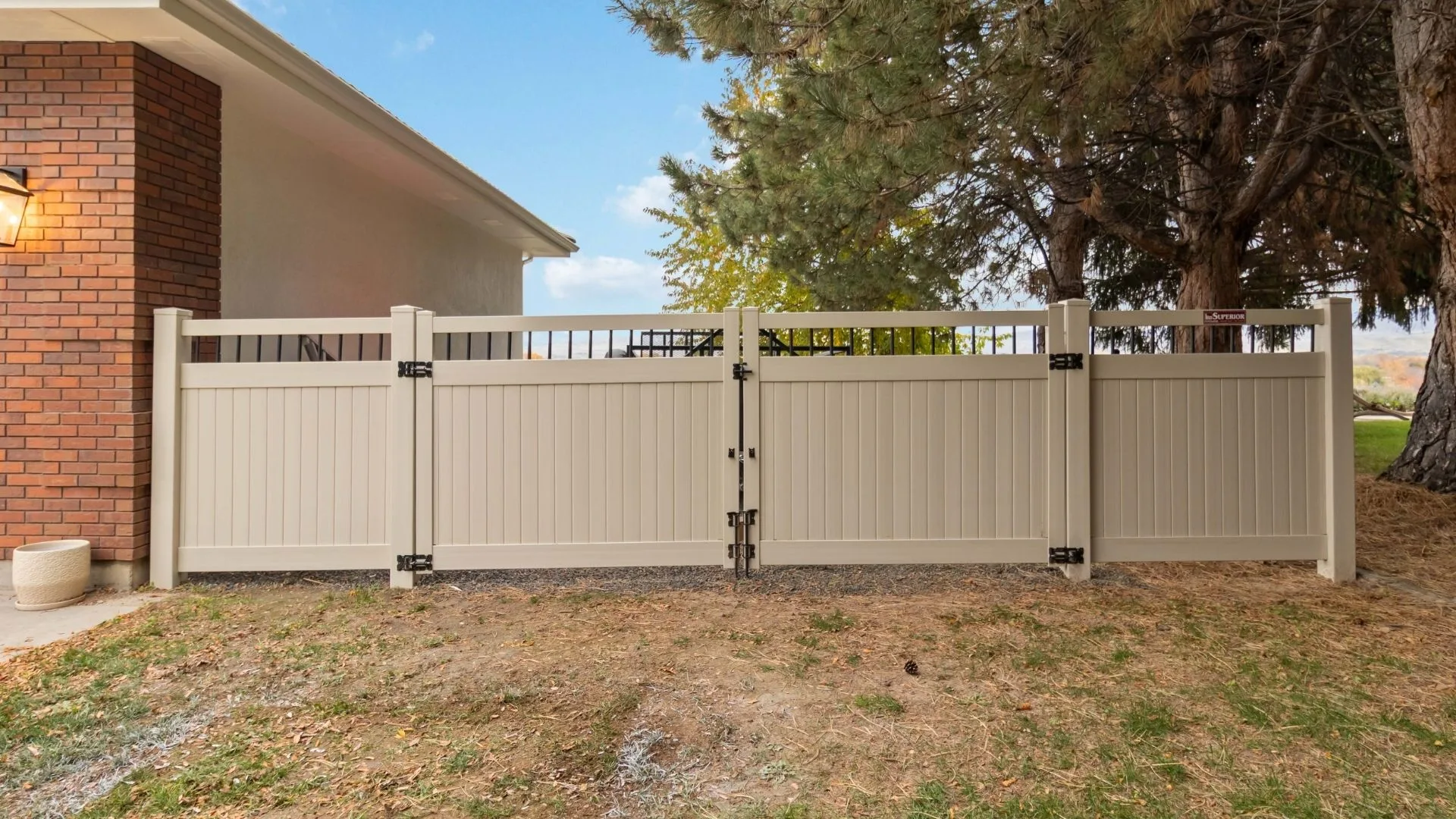
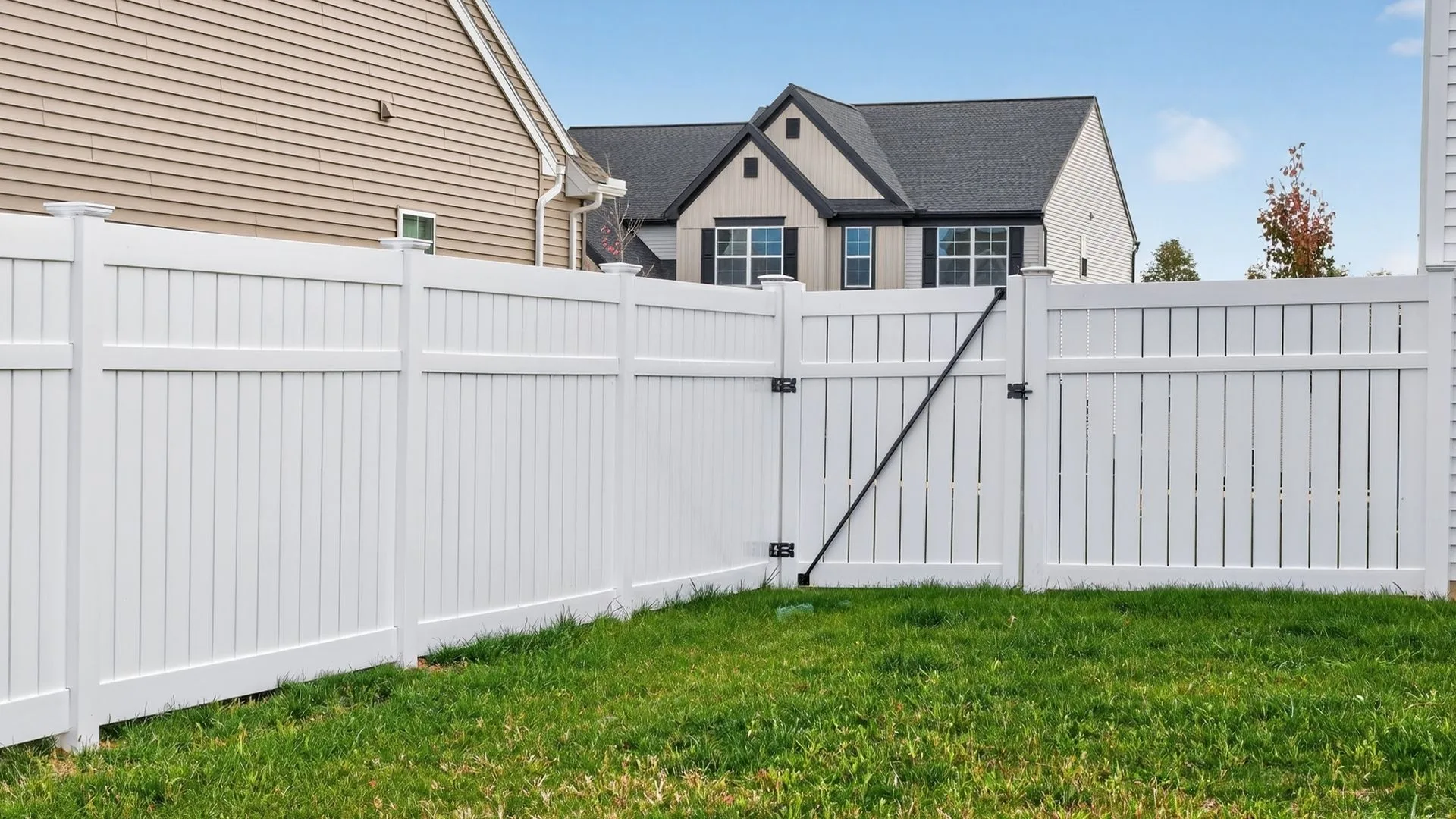
At Superior Fence & Rail of Columbus, our vinyl fence doesn’t use metal brackets. The system is fully routed, with posts precision-machined so the horizontal rails slide directly in and lock internally. No exposed hardware. No screws making contact with moisture. No brackets to snap under load. The joint is seamless, and more importantly, it’s strong—the fence handles pressure as a unified structure rather than a collection of parts held together by optimism and zinc-plated fasteners.
On top of that, the vinyl itself is manufactured to a different standard. We use 100% virgin vinyl with significantly thicker sidewalls than the industry average, paired with StayStrong rails that embed the pickets deeper into the frame. When the wind loads up against a solid privacy panel, the system flexes and holds rather than separating at the weakest point.
And when it comes to installation, we bring knowledge and equipment. We bore through clay, we go below the frost line, and we pour the right amount of concrete. The post depth isn’t a judgment call made by someone whose back hurts—it’s a standard we hit on every job.
Why Cheap Vinyl Is a Cleaning Nightmare
Here’s something the big box store won’t tell you: a poorly built vinyl fence is genuinely difficult to keep clean, and the problem gets worse over time, not better.
Bargain-grade vinyl lacks proper UV stabilizers. The Columbus summer sun degrades the material at the surface level, causing oxidation—the fence develops a chalky, powdery texture that looks faded and feels rough. That rough, porous surface collects everything: dirt, exhaust, pollen, algae spores. Once a cheap vinyl fence starts chalking, no amount of scrubbing restores the original finish. The texture that’s grabbing the grime is the surface itself.
If you’ve been searching “vinyl fence cleaning near me” for advice, but the results never quite look right afterward, this is probably what’s happening.
Professional vinyl is engineered to prevent oxidation from the start. Superior Fence & Rail vinyl is infused with SolarShield technology—UV protection built into the material compound, not applied as a surface coating that wears away. The finish stays dense, smooth, and non-porous for decades. Dirt and mildew have a much harder time adhering to a slick surface, and a lot of everyday grime washes off on its own when it rains or with a rinse from a garden hose.
How to Clean Vinyl Fence in Columbus Ohio: Match the Technique to the Problem
Even the best vinyl fence needs attention eventually. Superior Fence & Rail has published some universal guidelines for keeping PVC fence looking clean, but there are some frequently asked maintenance questions that Columbus homeowners always inquire about.
Columbus throws a lot of abuse at a fence: heavy spring pollen, road salt from the winter crews, and the persistent moisture that turns north-facing panels green by midsummer. Here’s how to handle each situation without damaging your fence.
The Light Wash: Spring Pollen
Late April in Central Ohio means everything gets coated in yellow. Pine pollen is the most visible, but oak and maple trees are just as active, and often worse for people with allergies. Pollen is also designed to get stickier when wet, so you can’t expect the rain to wash it away. For light surface grime like this—pollen, dust, general buildup—dish soap and a garden hose are what you need.
- Rinse the surface well. (Loose, abrasive dust on a dry surface may scratch the finish when you scrub.)
- Once wet, wipe with a soft cloth or sponge dipped in warm, soapy water.
- Rinse until no soap remains.
The Moderate Scrub: Road Salt and Mud
Anywhere near a busy road—Broad Street, High Street, Hamilton Road—your fence is catching winter spray. Dried road salt leaves a stubborn gray film that dish soap struggles to cut, and spring thunderstorms leave mud splatter along the bottom foot of the fence that also needs a bit more chemistry.
- Wet the surface to remove loose salt and dirt.
- Mix 2 parts warm water with 1 part white vinegar. Apply with a garden sprayer or a soft bristle brush.
- Allow to sit for ten minutes before scrubbing. The solution needs dwell time to break the bond between the dried grime and the surface.
- Scrub gently, then rinse thoroughly.
- When finished, rinse the base of the fence well so the residual acidity doesn’t affect nearby grass or plants.
The Deep Clean: North-Facing Algae and Mold
For panels sitting under a tree canopy or on a north-facing run where sunlight rarely reaches, you’re dealing with genuine organic growth—and that requires bleach. Soap moves mold around. Bleach kills it.
- When working with bleach, always wear gloves and work in a well-ventilated area.
- Mix 1/2 cup of standard chlorine bleach into 1 gallon of warm water.
- Wet the fence, then apply the bleach solution to the affected areas and let it sit for ten minutes. Use a garden sprayer or a soft bristle brush.
- Keep it wet if there’s a breeze—the solution needs contact time to kill the spores, not just the surface layer.
- Scrub with a soft-bristle brush and rinse completely until the water runs clear.
For stubborn algae that survives the first pass, add a few drops of dish soap to the bleach solution before the second application. It acts as a surfactant, helping the mixture cling to vertical surfaces instead of running straight to the ground.
If using a commercial cleaning product for removing mold or algae, make sure it’s designed to be safe for use on vinyl. It will be clearly marked on the label.
Never use steel wool or abrasive scrubbing pads. They scratch vinyl permanently.
When to Hire a Pro Cleaner
For a standard Columbus suburban lot, the methods above are genuinely sufficient. But if you’re maintaining several hundred feet of fencing on a larger property in Delaware or New Albany, searching for a vinyl fence cleaner near you and hiring a professional soft-wash crew is a reasonable call. Commercial equipment and specialized surfactants cut the job from a full afternoon to a couple of hours.
The Bottom Line
Knowing how to clean a vinyl fence in Columbus Ohio matters a lot less if the fence is leaning, streaked with rust, and oxidizing on the surface. Maintenance is the easy part. Getting the foundation right—the material quality, the hardware, the post depth—is what determines whether you’re doing light annual upkeep or fighting a losing battle against a fence that was already failing on installation day.If you’re ready to do this right, reach out to Superior Fence & Rail of Columbus for a free estimate. We’ll build it professionally the first time, and you can get back to actually enjoying your yard.
About Emma
Emma Butcher is a content writing professional at Urbain Marketing. She specializes in writing content for fence companies and fence installation in local markets.
Get A Fence Quote Today!
Great Fences Make Great Neighbors!
- Best Quality Fences
- Highest Customer Satisfaction Rating
- Fence Financing Options
- Licensed, Bonded & Insured
Your Superior Fence and Rail service team is standing by! Get a fence installation quote today!