
4 Fence Myths Central Jersey Homeowners Need to Stop Believing
- Emma Butcher
-
Jul 21 2026


You know that week in August when the air gets so heavy you can feel the moisture settling on the vinyl siding just standing in the driveway? Your shirt sticks to the car seat, the patio furniture is damp at two in the afternoon, and everything wood in the yard looks like it’s swelling. Then five months later you’re chipping ice off that same siding with a snow brush and wondering if the gate is frozen shut again. That’s the climate your fence lives in, twelve months a year, with no garage to retreat to and no off-season. If you’re trying to figure out the best fence for NJ weather, the answer has less to do with what a fence looks like in the showroom and more to do with how it’s built, what it’s built from, and whether the company behind it understands what Central Jersey is going to throw at it.
Superior Fence & Rail of Central Jersey installs vinyl, wood, aluminum, and composite fencing, and every one of those fence types handles this state’s dual-season punishment differently. The good news: none of them have to fail the way your neighbor’s did. The bad news: a lot of what you’ve heard about each one is probably wrong.
The Best Fence for NJ Weather: Sorting the Myths from the Specs
There’s a lot of bad fence advice circulating around Central Jersey. Some of it comes from hardware store employees who’ve never set a post in Jersey clay. Some of it comes from the neighbor who had one experience with a low-bidder who won’t return calls and decided the entire fence type was the problem. And some of it’s just outdated—the products Superior Fence & Rail installs today aren’t what your parents put up in 1998.
Here are four myths about fence types in New Jersey that need correcting.
Myth: “Wood Fences Rot in Two Years Here”
This one sticks around because it has a grain of truth in it. A cheap pine fence from a fly-by-night operation? Yeah, that fence might look rough in two New Jersey summers. The posts shift if they were set shallow, the pickets warp when the humidity gets into untreated end grain, and by the third winter you’re staring at a leaner wondering whether it’s worth repairing or just tearing out.
But that’s not a wood fence problem. That’s a bad lumber and bad installation problem, and there’s a difference.
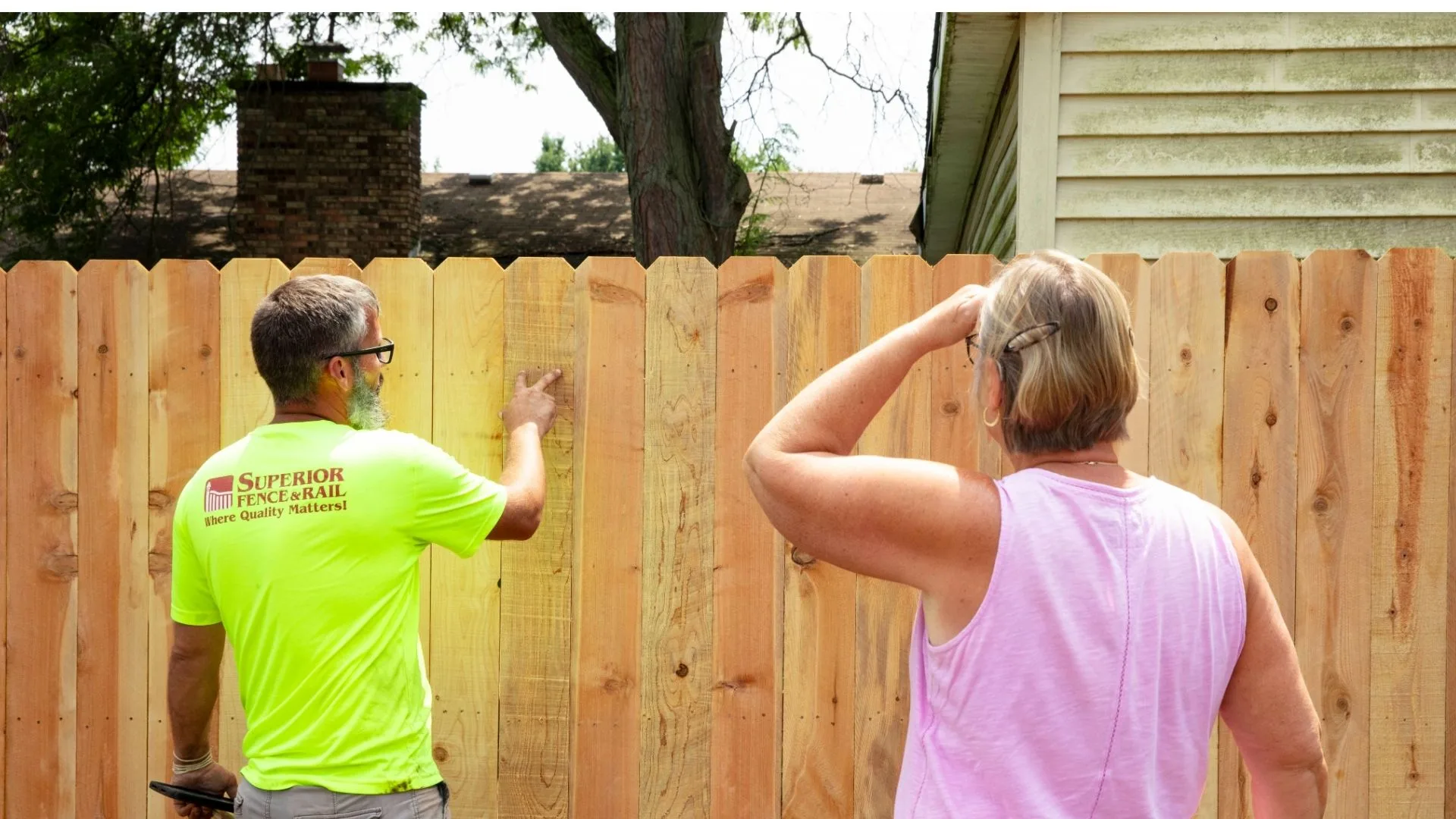
Superior Fence & Rail builds premium pressure-treated wood and cedar fences from scratch on-site—not from prefab panels shipped from a warehouse. Every fence is stick-built with heavy-duty lumber: 1×6 pickets, 2×4 lateral rails, and 4×4 posts anchored in concrete. The fasteners are hot-dipped galvanized ring shank nails, the kind that won’t rust at the shank and wiggle loose the way standard hardware does after a few of New Jersey’s wet-dry cycles. Cedar itself carries natural oils that resist moisture absorption, and the tannins in the wood are a natural termite deterrent (if you’ve lived in Central Jersey long enough, you know termites are not a hypothetical).
Superior backs their pressure-treated and cedar fencing with a minimum 15-year warranty on pickets against rot and termite damage, and lifetime protection on posts and horizontal rails. A wood fence in New Jersey can last a very long time. It just has to be built by a company that takes the climate seriously.
Myth: “Vinyl Gets Brittle and Cracks in the Cold”
This is the one that comes up in every vinyl vs wood fence conversation in New Jersey, and the people saying it aren’t completely making it up. Bargain vinyl—the kind sold at big box stores—is often manufactured with recycled “regrind” material (leftover vinyl from old windows and doors, reprocessed and resold as fence stock). Regrind vinyl is thinner, carries fewer UV inhibitors, and yes, it can turn brittle when the temperature drops.
Superior Fence & Rail’s vinyl is a fundamentally different product. It’s fabricated from 100% virgin vinyl with walls 43% thicker than the industry standard. It’s precision-routed on CNC equipment in-house—no brackets, no bolted-on metal hardware that corrodes and weakens the structure over time. The panels are routed and assembled, not glued, so they don’t come apart when adhesion fails.
Then there’s the technology built into the product:
- SolarShield protects against UV degradation, which is the real source of the fading, chalking, and brittleness people blame on “vinyl.” Central Jersey’s summer UV exposure is no joke, and SolarShield is the reason a Superior vinyl fence doesn’t look washed out in three years.
- StayStrong rails use a deeper groove design—33% deeper than standard—that locks more of the picket into the rail structure. The result is a fence that handles wind loads from nor’easters, July thunderstorms, and those random November gusts that scatter your recycling bins across the lawn.
- PrivacyLock is a panel locking system that bonds the tongue-and-groove sections together, sealing out wind penetration and reducing the risk of structural failure. In a state where the wind changes direction every season, that detail earns its keep.
- HeartWood is for the homeowner who wants the warmth of real wood grain—the texture, the rich tones—without any of the upkeep. Available in Golden Oak and Red Chestnut, HeartWood delivers the character of an aged wood fence with the full weather resistance of Superior’s vinyl specification.
Superior’s vinyl carries a lifetime transferable warranty. The fence you install this summer stays protected even if you sell the house.
Myth: “Aluminum Is Just for Pool Fences”
Aluminum gets typecast. People see it around pool decks and in front yard borders and assume it’s decorative, not durable—something that looks polished but couldn’t handle a real Jersey winter. That sells it short.
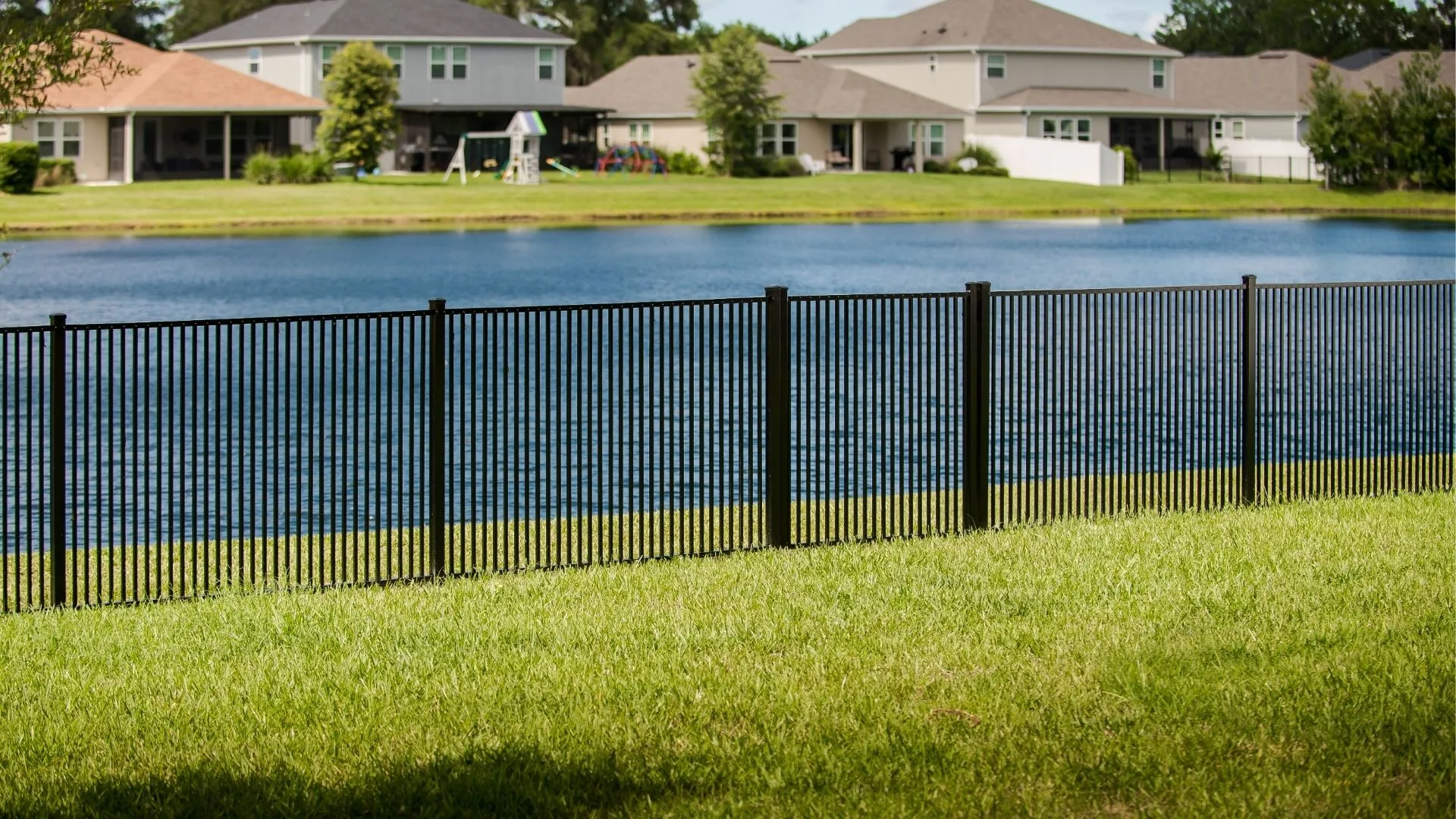
Superior Fence & Rail’s aluminum is powder-coated after the full panel is assembled, not before. That sequence matters, because it means the finish bonds to the fasteners, the welds, and the seams—not just the surface you can see. Moisture doesn’t find its way in at the joints, which is where damage starts in most powder-coated fencing.
The coating itself meets AAMA 2604 standards: 3,000 hours of salt spray resistance, which is double the industry standard of 1,500 hours under AAMA 2603. If you’re close enough to the Shore that salt air drifts inland on a March wind—and in Central Jersey, more of us are than we think—the best fence for NJ weather in an open-style application is aluminum built to this spec.
Superior’s aluminum also happens to be one of the most customizable fence types in their lineup. In-house fabricators design and build custom panels, gates, and rails, so you’re not limited to whatever stock option comes off the shelf.
Myth: “Composite Fencing Costs Too Much”
Trex composite fencing costs more up front than vinyl or wood. Nobody’s arguing that. But “expensive” and “overpriced” are two different conversations, and composite tends to win the second one.
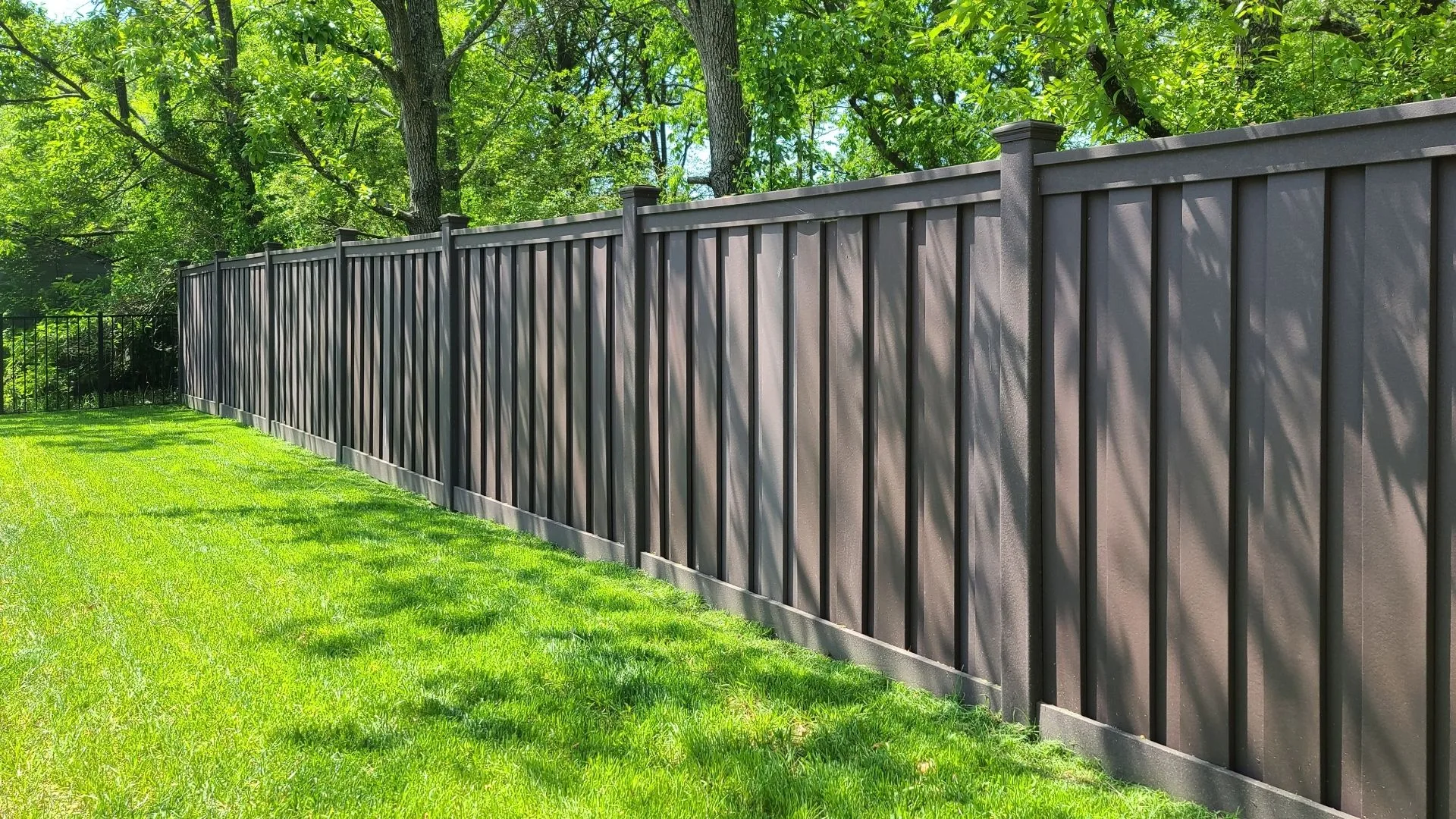
Trex is manufactured from 95% recycled content—a dense composite blend that doesn’t rot, doesn’t attract insects, and doesn’t respond to New Jersey’s humidity swings the way natural wood does. It won’t absorb moisture in a wet winter. It won’t gap during a dry August. It never needs staining, sealing, or painting. Not in year one, not in year fifteen, not ever.
The interlocking picket design creates full privacy with zero gaps, and the fence looks identical on both sides—your neighbors see the same finished product you do. The material density also makes Trex one of the strongest sound barriers available in residential fencing, which matters if your backyard backs up to a busy road or you’re close enough to the Turnpike to hear the trucks downshift.
When you calculate what you’re not spending on maintenance, repairs, and the eventual replacement that wood and cheaper vinyl tend to require, composite starts looking like the option that saves money over the life of the fence. The up-front number is real, but so is the math on the other side.
Pick the Fence That’s Built for Where You Live
New Jersey doesn’t pick favorites. The winters freeze whatever’s out there, the summers soak it, and the shoulder seasons find whatever weakness is hiding. The best fence for NJ weather is the one installed by a company that understands what “here” means—not generically, not theoretically, but in the specific clay and salt and humidity of Central Jersey.
Superior Fence & Rail of Central Jersey builds and installs every fence type in this guide and backs each one with warranties that hold up as well as the products do. Browse our fence styles and explore the engineering behind them, then decide which one fits your property and your priorities. We’ll be here when you’re ready.
About Emma
Emma Butcher is a content writing professional at Urbain Marketing. She specializes in writing content for fence companies and fence installation in local markets.
Get A Fence Quote Today!
Great Fences Make Great Neighbors!
- Best Quality Fences
- Highest Customer Satisfaction Rating
- Fence Financing Options
- Licensed, Bonded & Insured
Your Superior Fence and Rail service team is standing by! Get a fence installation quote today!