
California Zone Zero Fence Readiness Starts Here
Superior Fence & Rail is the highest rated!

4.8 Average Star Rating
Why Book Your Zone Zero Fence Readiness Now?
Zone Zero requirements are not rolling out the same way in every California city or county. Timelines depend on your property type, location, fire-hazard designation, and local jurisdiction.
For some homeowners, the timeline is already active through new construction or major remodel permitting. For others, local enforcement may phase in over the next several years. But waiting can create avoidable pressure — especially if your fence, gate, or arbor is attached to the home or sits within the first five feet.
Booking now gives you time to:
- Review the fence sections closest to your home
- Plan ahead before wildfire season
- Prepare for local fire, permitting, HOA, or insurance conversations
- Understand which materials may be better suited for Zone Zero planning
- Avoid last-minute scheduling delays as demand increases
If your current fence is wood, vinyl, composite, or another combustible material near the home, now is the time to take a closer look.
Book Your Zone Zero Fence Readiness Assessment
Financing Options Are Available!
- Get an instant decision
- Prequalify with no impact to your credit score
- Financing packages up to $75,000
The all-important first 5 feet
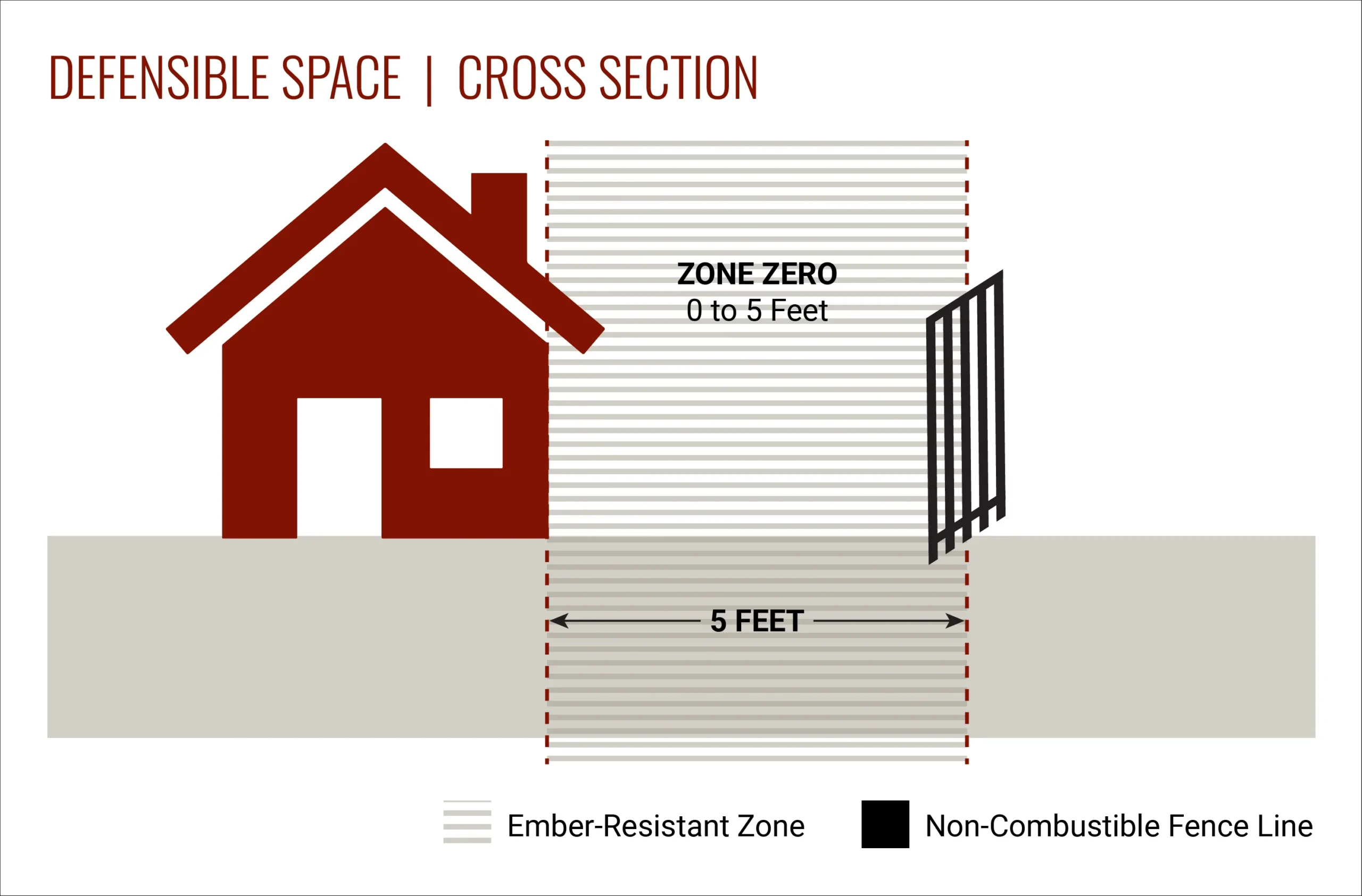
Zone Zero is the 0 to 5 foot ember-resistant area immediately around your home. Keeping it as free from non-combustible materials as possible is one of the most effective ways to stop wind-driven embers from igniting your house. It’s quickly becoming the standard California inspectors and insurers look for.
- Embers, not flames, destroy most homes. A combustible fence touching your house acts like a wick straight to the structure.
- Your fence is first in line. It’s often the closest built element to your home and the easiest one to bring into compliance.
FIRE-RESISTANT VS. NON-COMBUSTIBLE: WHY THE DIFFERENCE MATTERS
Not all “fire-safe” materials meet the Zone Zero bar. Fire-resistant materials can slow ignition, but they can still burn given enough heat or direct flame contact. Non-combustible materials, like steel, aluminum, and chain link, cannot burn at all.
Zone Zero compliance is built around non-combustible materials specifically. That’s a stricter standard than “fire-resistant,” and it’s why treated wood or fire-rated composites still fall short within the first five feet, even though they may perform better than untreated wood elsewhere on the property.
Is my fence a risk?
Wood and vinyl fences don’t currently meet Zone Zero fire-rating requirements. If your fence is either material, replacing it now puts you ahead of wildfire season.
What should I do next?
Schedule a fence assessment. We’ll review the fence areas closest to your home and recommend appropriate materials and replacement options that fit your property.
Fencing built to meet the standard
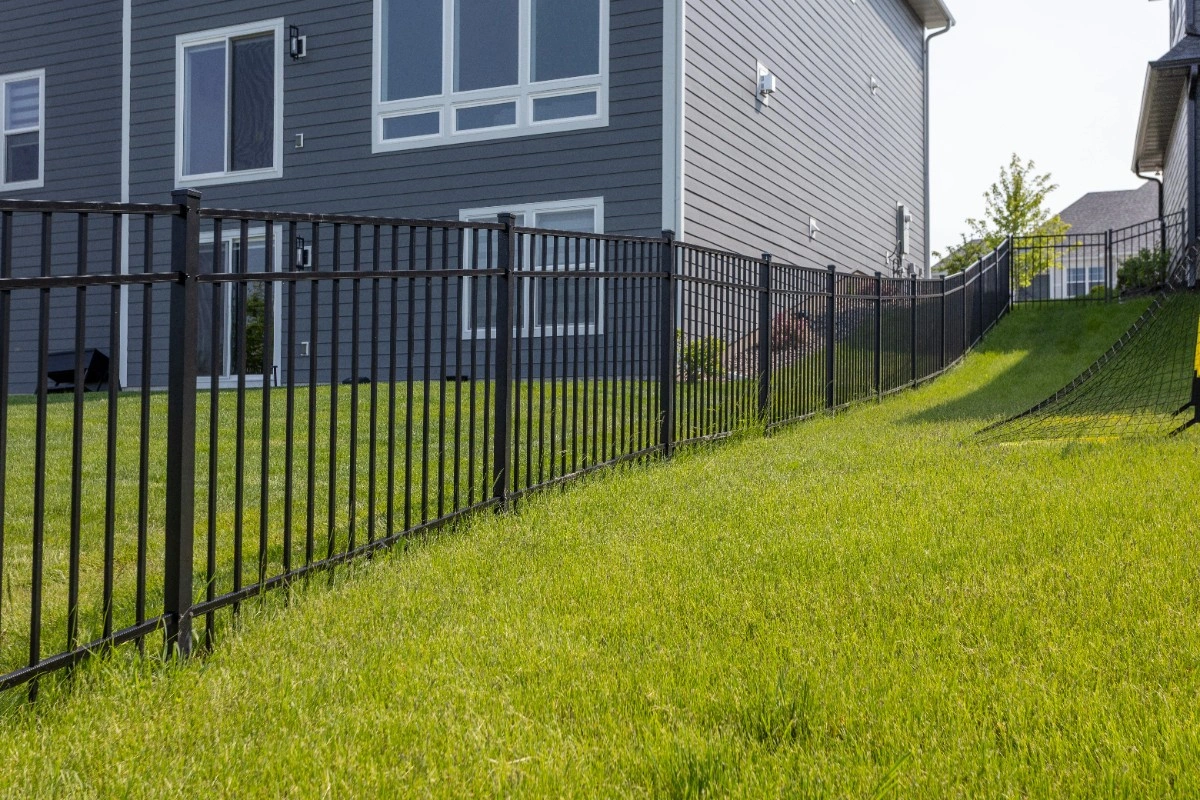
Within the first five feet, material matters most. Non-combustible aluminum, steel, and metal chain link won’t feed embers — and the right placement satisfies local defensible-space requirements while elevating your property.
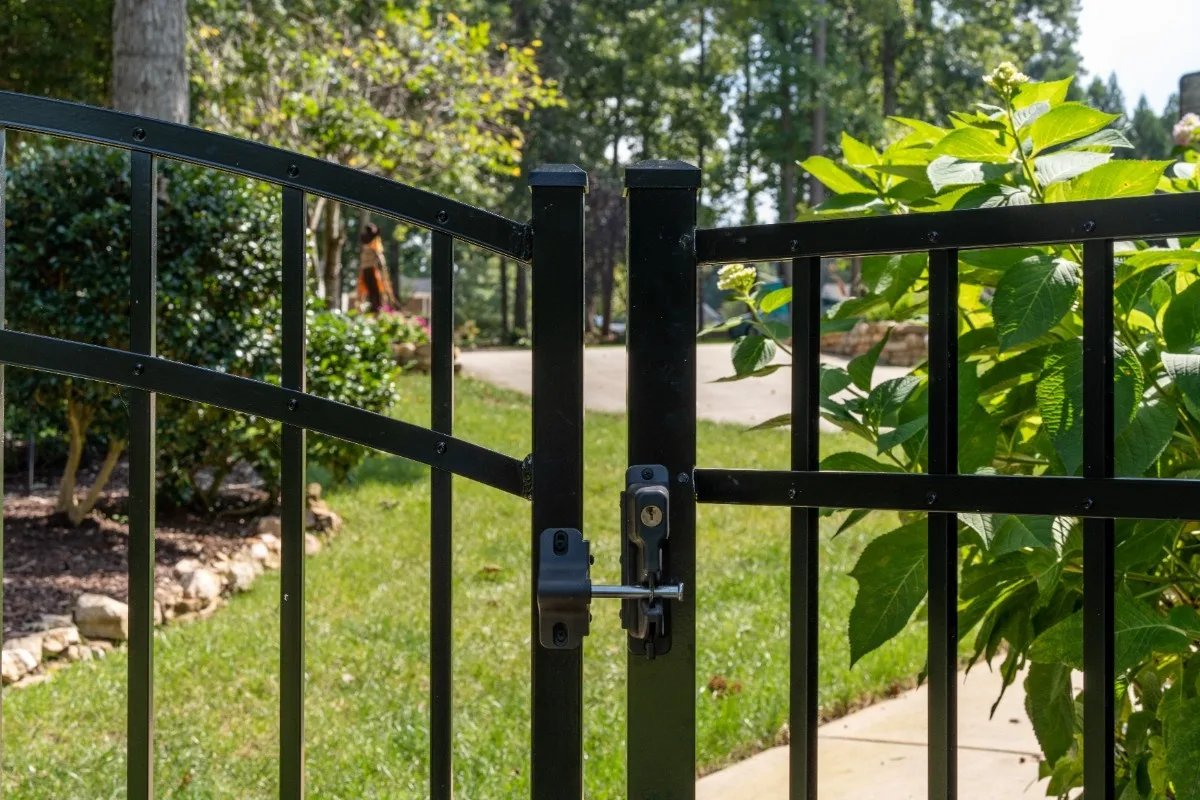
Strength and timeless security. Steel fences deliver curb appeal and serious protection with zero combustible material.
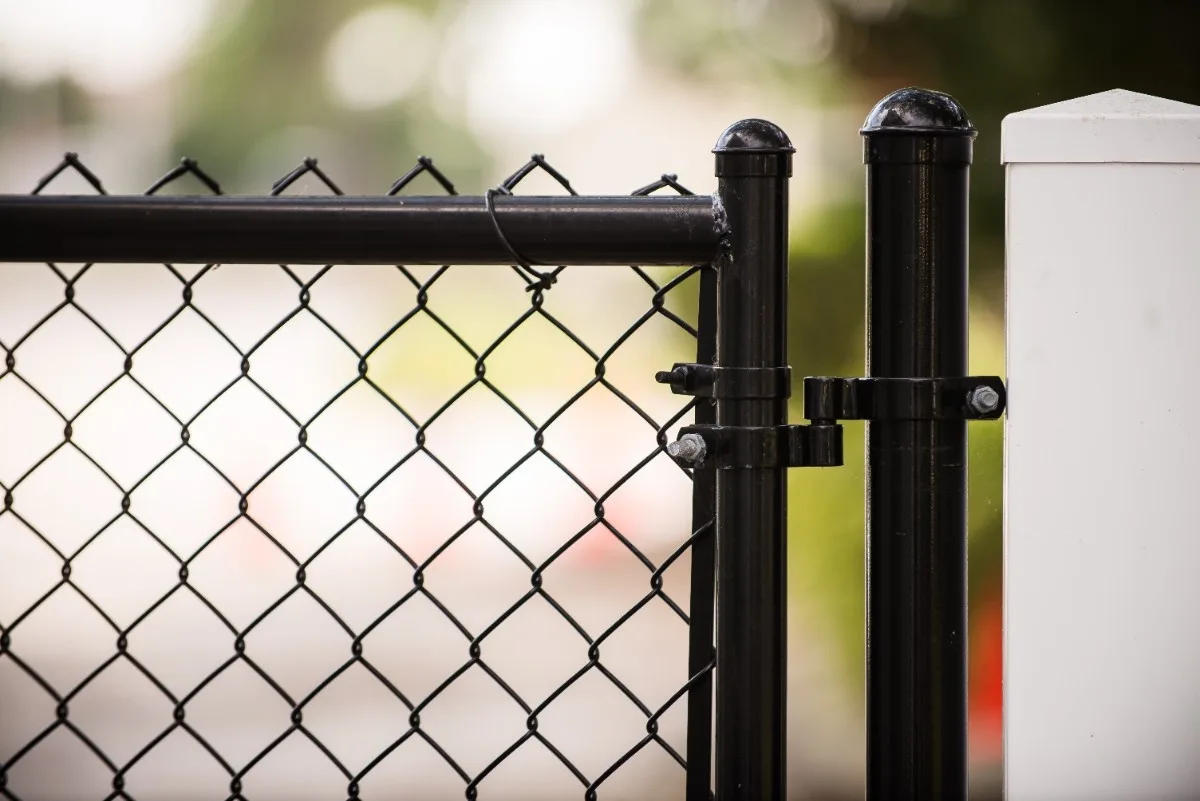
An economical, fully non-combustible perimeter option — ideal for larger lots and rural fire-zone properties.
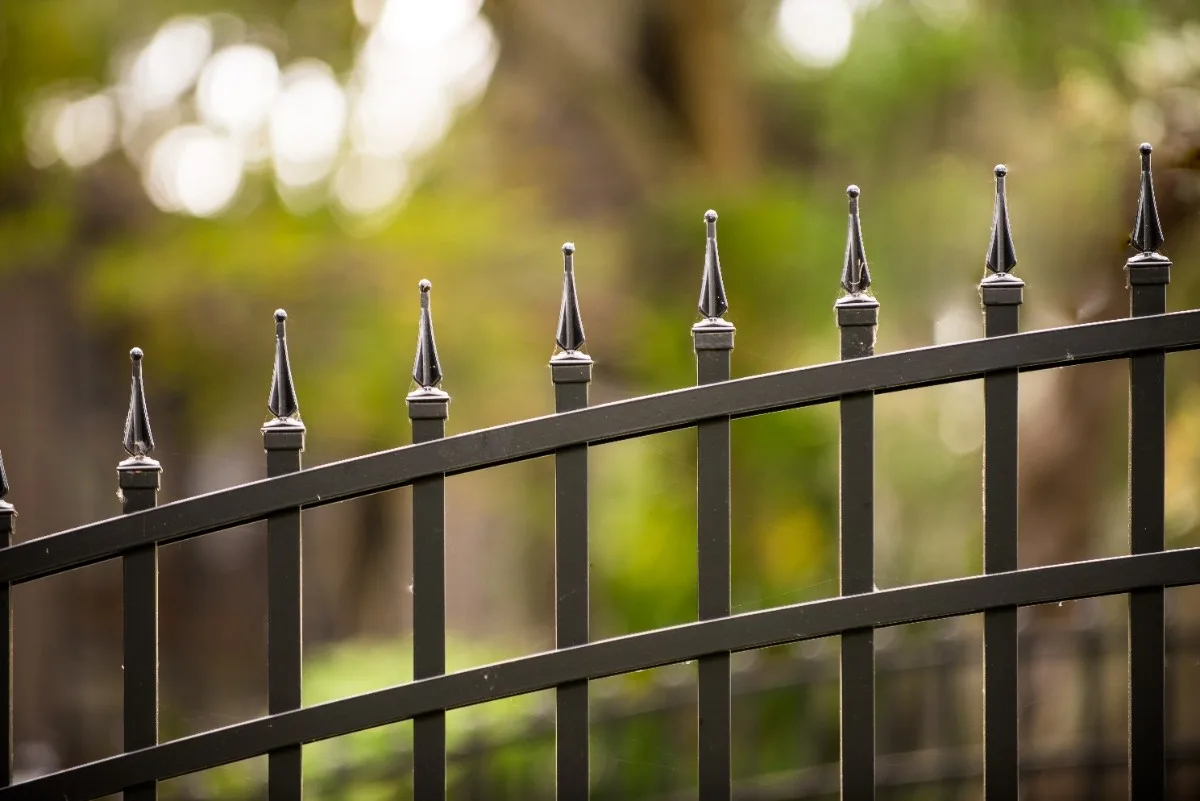
Non-combustible, rust-resistant, and low maintenance. A clean modern line that won't carry fire to your home.
Wood, composite and vinyl don’t meet Zone Zero requirements. If any of these sit within five feet of your home, it’s the weak link in your wildfire defense and the first thing to upgrade.
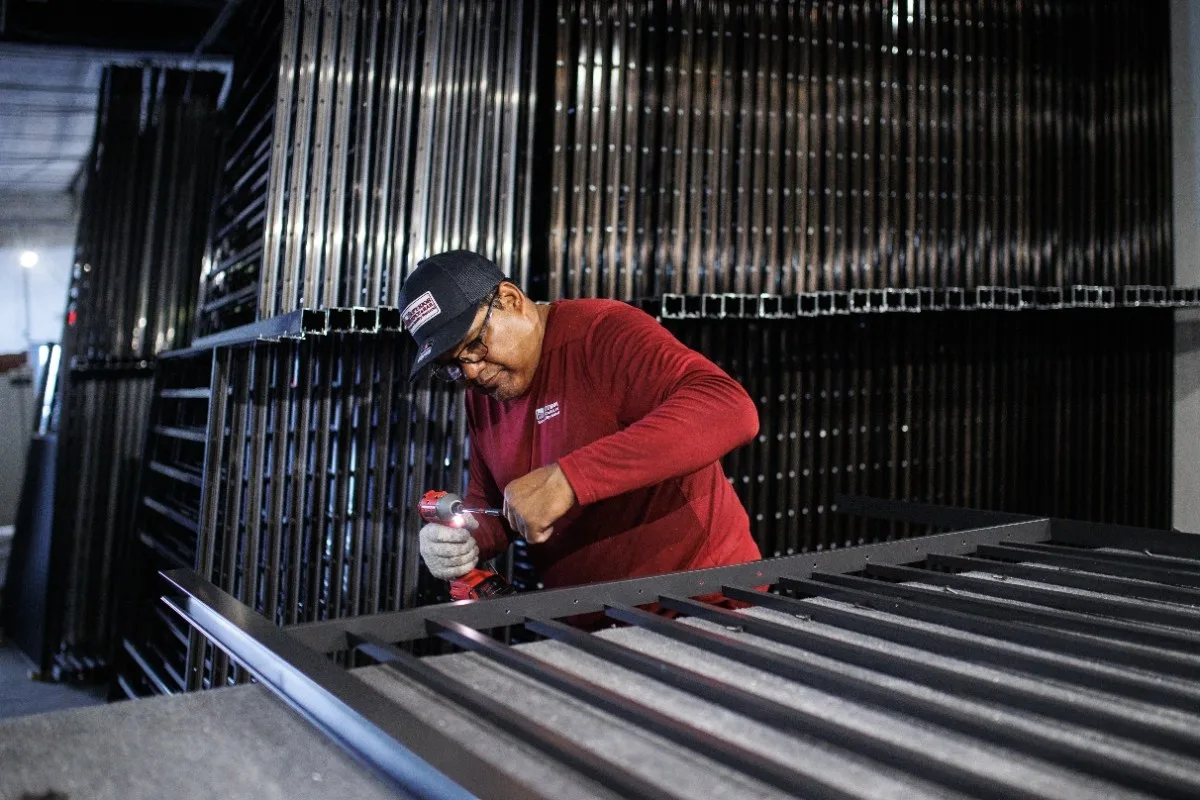
More than compliance. A lasting upgrade.
You’re not just checking a box. Working with a trusted, professional installer turns a wildfire requirement into a smart, confidence-forward investment in your home.
- Insurance pressure is already part of the conversation. Even before every local deadline is fully enforced, wildfire mitigation is becoming part of insurance conversations across California. Reviewing fence sections, gates, and combustible materials near the home can help homeowners prepare for renewal conversations, inspections, or mitigation requests.
- Curb appeal. Clean aluminum and steel lines that not just protect your property, but elevate the look.
- Long-term value. Backed by best-in-class warranties and built to last — a one-time upgrade that pays back in durability and resale.
Superior Fence & Rail does not provide legal, insurance, or code-compliance advice. Zone Zero and defensible-space requirements vary by jurisdiction, property type, fire-hazard designation, and local authority. Customers should confirm requirements with their local fire department, city/county agency, HOA, insurer, or authority having jurisdiction before beginning work.