
What Hurricane-Ready Fencing in St. Augustine Looks Like—and What It Doesn’t
- Jennifer Welsey
-
Oct 19 2026


St. Augustine has weathered storms since before Florida was a state. The city’s relationship with wind and water is older than its seawall, older than the Castillo, older than any standing structure on the barrier islands. And every hurricane season reminds homeowners on both sides of the Intracoastal that what you build—and how you build it—determines what’s still standing in November.
This is a story about two fences. Both were installed in St. Augustine neighborhoods within a mile of each other. Both took the same storm. One held. One didn’t. It comes down to engineering decisions you make before the first post even goes in the ground; those make the difference between a hurricane fence in St. Augustine that survives, and one that fails.
The Hurricane Fence in St. Augustine That Held
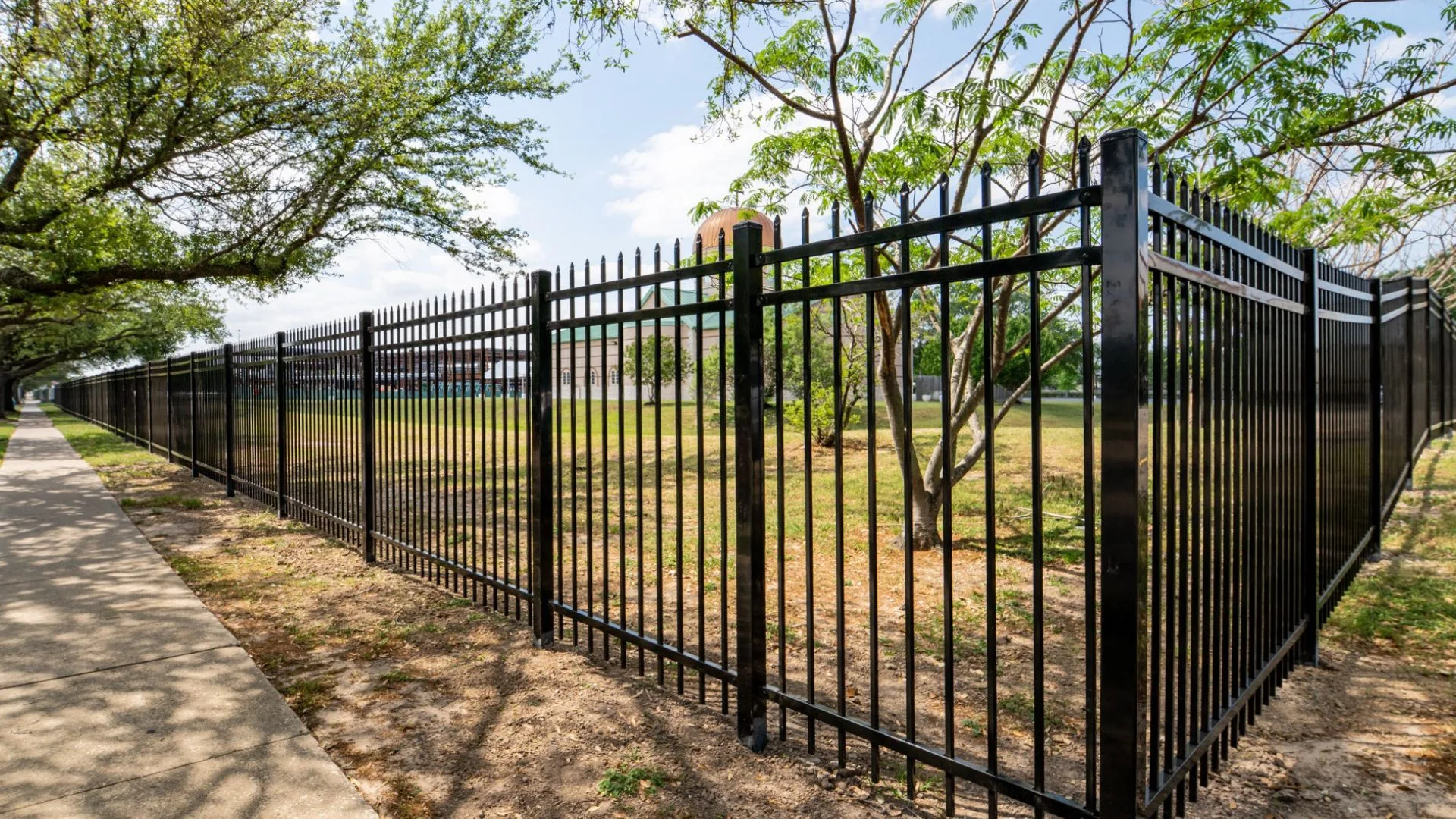
The fence on Davis Shores was aluminum—five feet, open picket, powder-coated for salt air. It had been in the ground four years when the storm crossed Anastasia Island from the east. Eighty-mile-per-hour gusts, rain driving sideways for six hours, storm surge pooling in the low spots between the Matanzas River and the beach access roads—the kind of storm where you park your car away from the oak trees and then sit in the kitchen wondering if that was far enough.
The aluminum fence lost nothing. Not a panel, not a post. And the reason is one of those things that sounds too simple until you think about it: a picket fence lets wind through. A solid panel catches it—the whole surface acts like a sail, and the force on that sail doesn’t double when the wind doubles. It quadruples. So the 80 mph gusts crossing Anastasia Island weren’t pushing twice as hard as a 40 mph blow. They were pushing four times as hard. An open aluminum picket fence at the same height sheds 70 to 80 percent of that load. The wind passes between the pickets instead of slamming into a wall. Not much to grab onto.
The posts were set 36 inches deep in concrete footings. For a five-foot fence, that ratio—post depth roughly 60 percent of above-ground height—provides the lateral load resistance that keeps the fence plumb when the ground saturates and gusts hit from shifting directions. Superior Fence & Rail’s aluminum is engineered for coastal installation: the alloy resists salt corrosion without a maintenance cycle, and the powder coating is rated for UV and salt spray exposure that would pit bare steel within two seasons.
The Fence That Didn’t
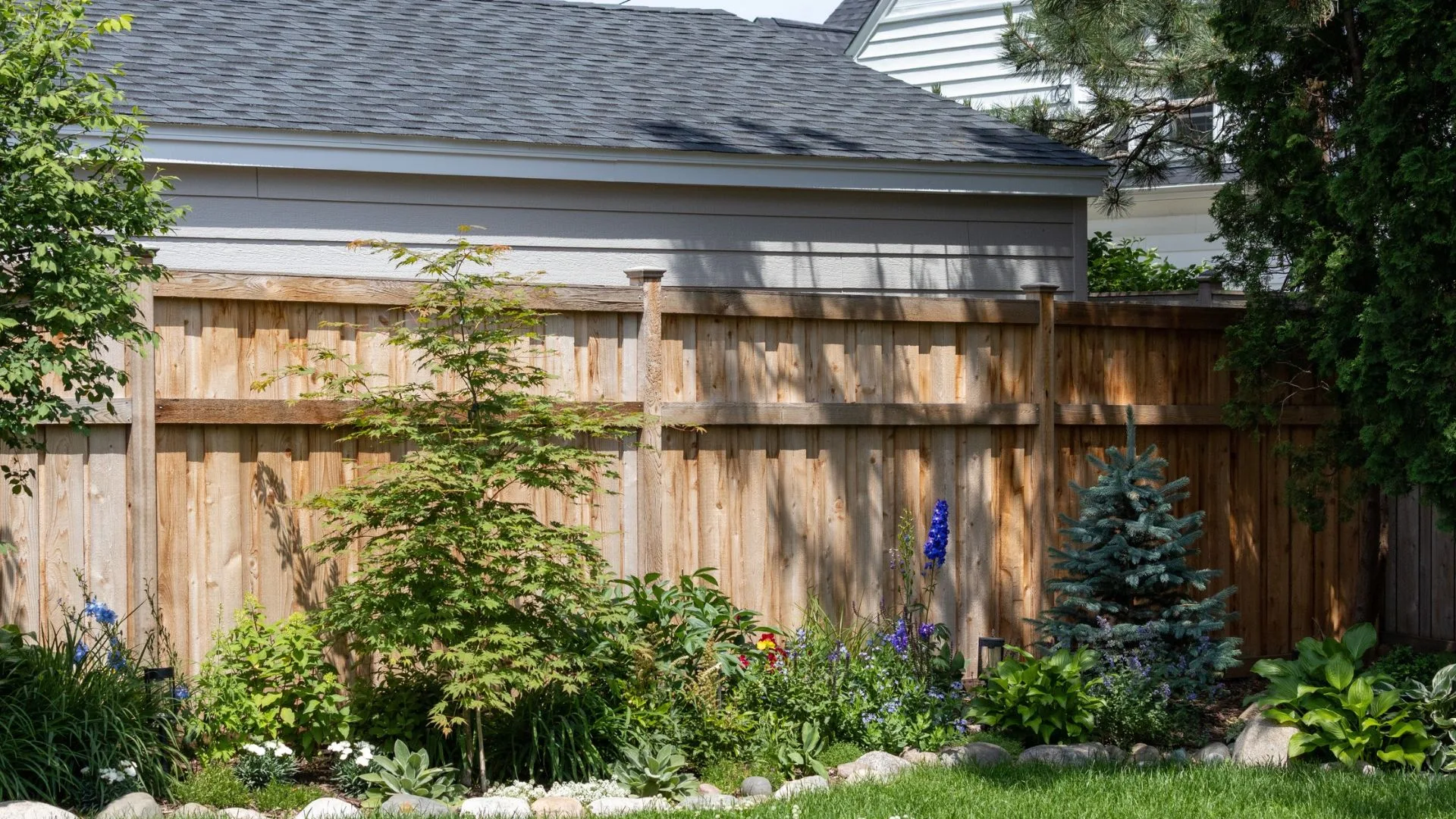
Less than a mile away, a six-foot solid vinyl privacy fence took the same storm. The fence came from a discount installer. It looked nice, and the price was right—but the storm took down three full sections. One panel caught the wind broadside. The eight-foot section became a flat surface absorbing the full force of the gust—and at 80 miles per hour, that force was substantial enough to lever the posts out of footings that were set at 24 inches. The posts didn’t snap. They tilted, pulling the concrete plug out of the saturated ground, and the section folded over like pages in a book. The next two segments didn’t blow over but the pickets went airborne, which can be dangerous on top of destructive. A typical vinyl privacy fence is constructed of vertical posts with top and bottom rails that hold tongue-and-groove pickets—and once a single picket in the discount fence broke free from the shallow rails holding them in, the rest blew out over the neighborhood.
The homeowner had the fence repaired. The contractor reset the posts at the same depth and replaced the same flimsy pickets. That fence will fail the same way in the next significant wind event, because the variables that caused the failure—shallow post depth, solid panel design, and no engineered wind-load pathway—were carried right over to the repair.
What Determines Whether a Hurricane Fence in St. Augustine Survives
Three variables. Every time.
Post depth for lateral load. A fence post in coastal St. Augustine soil needs to resist not just the vertical weight of the fence but the horizontal force of sustained wind on saturated ground. Sandy soil drains faster but offers less lateral grip than clay. The barrier island substrate—sand over coquina in some areas, fill in others—varies by block. A hurricane fence in St. Augustine starts with posts set deep enough that the below-ground anchor exceeds the above-ground lever arm the wind is working against.
Material selection. Aluminum and engineered vinyl are the two fence types that perform in coastal Florida’s combination of salt air, UV exposure, and high-velocity wind zones. Discount vinyl weakens at the fastener points—the exact locations where wind stress concentrates. Superior Fence & Rail’s vinyl is fabricated with thicker walls and heavier rails than commodity panels and is rated for the wind loads that St. Johns County’s coastal position delivers every hurricane season. And standing up to salt and sun is a key part of wind-readiness. Coastal fence materials in Florida need to perform at 100%, so fence types that require less maintenance to begin with stay in top condition longer.
Design and airflow. A solid panel fence catches wind. An open-picket or spaced-board design lets it through. The choice between privacy and wind resistance isn’t always binary—semi-privacy styles, lattice toppers, and strategic panel orientation can reduce wind load while preserving screening. But the calculation has to happen at the design stage, not after the storm.
HOA Fence Rules in St. Augustine and the Historic District
St. Augustine’s historic district—the largest in Florida—adds a layer. The Historic Architectural Review Board reviews exterior modifications, including fencing, within the district boundaries. HOA fence rules in St. Augustine vary by community outside the district—but inside it, material, height, color, and style all require HARB approval before installation begins. Superior Fence & Rail’s St. Augustine team handles the approval process as part of St. Augustine fence installation: submitting documentation, coordinating with the review timeline, and ensuring the fence that gets built is the fence that got approved.
The Value of a Hurricane Fence
There are a lot of purchases that look low-cost at first but end up being expensive. Fencing for St. Augustine’s weather is one of those examples—and the math is simple: the cost difference between a fence that survives a hurricane and one that doesn’t is measurable in a single insurance claim. An adjuster values a destroyed fence at its depreciated cost as it ages—but the fence you replace it with costs current prices. A fence that rides out a storm has already saved you money, and fence financing is available through Superior Fence & Rail for homeowners looking to upgrade to storm-rated performance.
Before the Season
The window for hurricane fence planning in St. Augustine doesn’t wait for June. By summer, the installation calendar is competing with every other homeowner who wanted to get a fence in the ground before hurricane season. Fall and winter is the right time of year to design a quality fence—Superior Fence & Rail’s scheduling has capacity, permitting moves faster, and the fence is in the ground and cured before the next season’s first advisory.
A hurricane fence in St. Augustine is an engineering decision, not a material preference. Superior Fence & Rail builds for the coast because they understand what the coast does to a fence that wasn’t built for it. Request a free estimate and have the conversation before the next storm makes it urgent.
About Jennifer
Jennifer Welsey is the Director of Operations at Superior Fence and Rail. With 12 years in manufacturing specializing in aluminum and vinyl products, plus hands-on experience in supply chain and vendor relations, she brings deep material expertise to every project. A UNC Charlotte graduate, Jennifer believes homeowners deserve to know what they're really getting when comparing fence quotes, not just the lowest price. Outside of work, she's a proud mom to 3 wonderful sons, a full-time dog lover, and a part-time bookworm.
Get A Fence Quote Today!
Great Fences Make Great Neighbors!
- Best Quality Fences
- Highest Customer Satisfaction Rating
- Fence Financing Options
- Licensed, Bonded & Insured
Your Superior Fence and Rail service team is standing by! Get a fence installation quote today!