
Passing Inspection the First Time: St. Johns County Pool Fence Rules, By the Inspector Who Checks Them
- Emma Butcher
-
Jul 15 2026


There’s a bright yellow foam ball in my truck, exactly four inches across, that’s done more work than half the tools in my bag. It looks like something a golden retriever would steal off a pool deck. Homeowners see it come out of my bag and assume I’m joking. I’m not. If that ball fits through a gap anywhere in your fence, so will a toddler’s head, and I’m not signing off on the pool until that stops being true.
I’ve walked fence lines for pool inspections all over St. Johns County, and I can usually tell inside the first thirty feet whether I’m handing over a passing form or a list of corrections. It’s rarely about the fence type. I’ve passed chain link and failed vinyl in the same week. What decides it is whether the person who built the fence understood that St. Johns County pool fence requirements are a specific, checkable list, not a general vibe of “tall enough and it locks.”
Here’s what I’m looking for out there, and why some fences clear inspection on the first try while others earn me a second visit.
The Requirements a St. Johns County Pool Fence Inspector Looks For
People bring up the county’s own pool barrier language sometimes, the old four-foot-and-a-latch version that’s still sitting in the county code. I don’t check against that one. Every pool I inspect in this county has to meet the Florida Building Code’s residential swimming pool barrier requirements, which is a longer and considerably more specific list. As long as your installer builds to the state standard there won’t be an issue. If they try to point to the county regs, watch out.
What I’m measuring:
- 48 inches, minimum, measured from the side of the fence facing away from the pool. I’ve had homeowners point to a berm or retaining wall on the pool side and argue that makes up the difference. It doesn’t count. I measure from the outside.
- No more than a 2-inch gap between the bottom rail and the ground. Sod grows, mulch settles, dogs dig. I check what’s really there on inspection day, not what the install sheet promised six months ago.
- The ball test. Four inches, any opening in the fence, anywhere. If the foam ball goes through, that’s a fail, and I only need to try it once.
- Rail placement, whenever the horizontal members sit less than 45 inches apart. Those rails belong on the pool side. Put them on the yard side and you’ve built a ladder pointed the wrong direction, and it’s the easiest way to fail.
That last one still catches installers who should know better by now.
The Gate Is Where I Write Most of My Callbacks
If a St. Johns County pool fence is going to fail, the fence itself is rarely the problem. Panels are simple. Build them to spec and they pass every time. Gates have moving parts, and moving parts are where corners get cut.
The self-latching pool gate rules in the state code are specific for a reason: the gate has to swing away from the pool, close and latch on its own, and the release mechanism needs to sit at least 54 inches up. If the release is lower, it has to be set back at least 3 inches from the gate’s outside face with no gap wider than half an inch within 18 inches of the latch. It sounds very specific, but that distance is the reach test. A kid standing on the yard side shouldn’t be able to get a finger anywhere near that release.
I see the same three shortcuts on repeat. A big-box spring hinge that’s already lost its tension by inspection day. A latch mounted wherever the hardware happened to be in stock that week instead of where the code says it goes. A gate hung by someone who never checked which side the pool was on before installing it. None of that shows up as a problem until I’m standing there with a clipboard, or worse, it never gets caught at all.
Fence Types That Pass Without a Second Visit
Not every fence type handles pool code the same way, which means the material decision and the compliance decision are really the same decision made twice.
If you tell your fence builder you want pool fencing, they should have the code-compliant styles on speed dial. Superior Fence & Rail has pool fence that always meets the code:
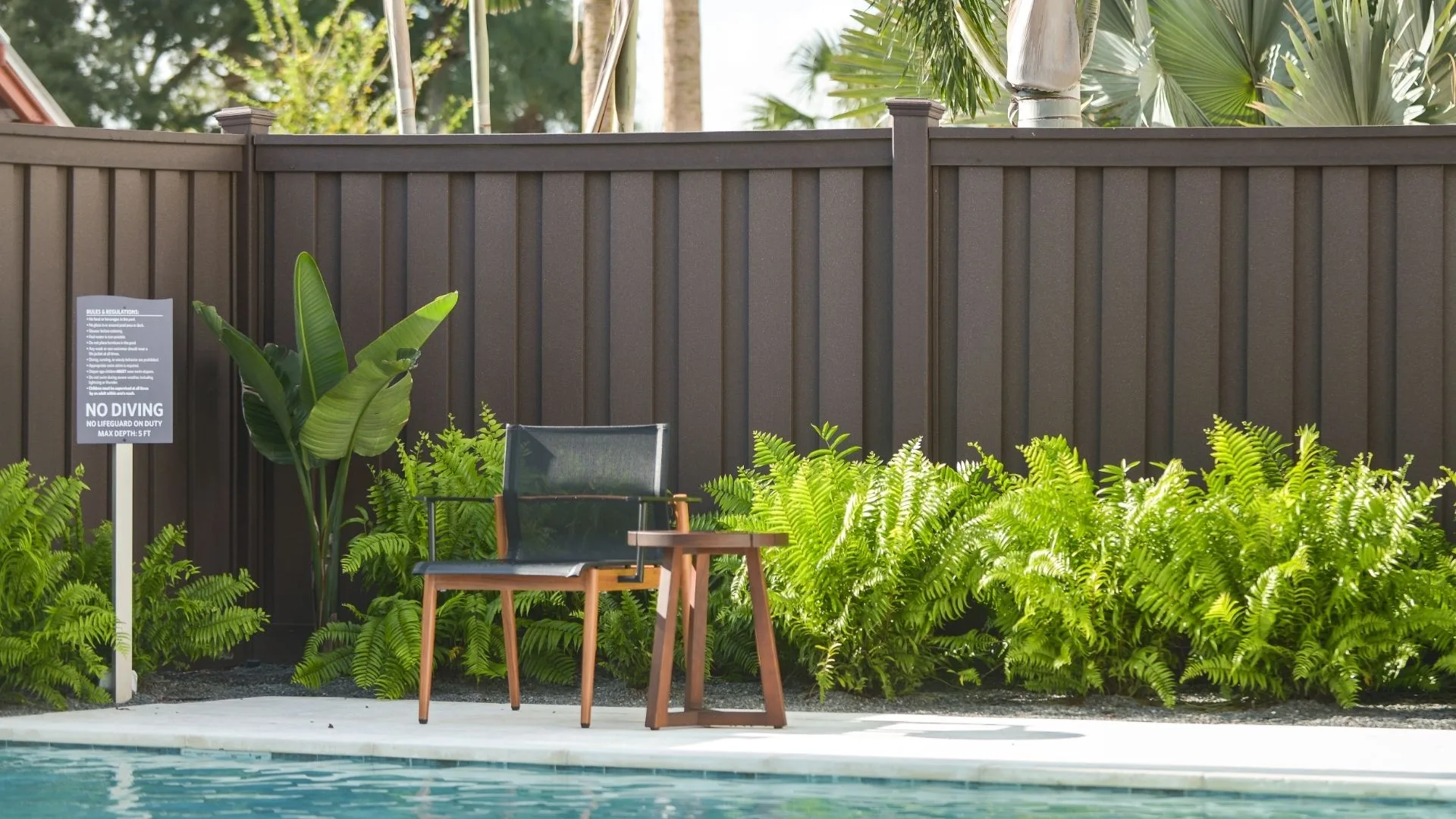
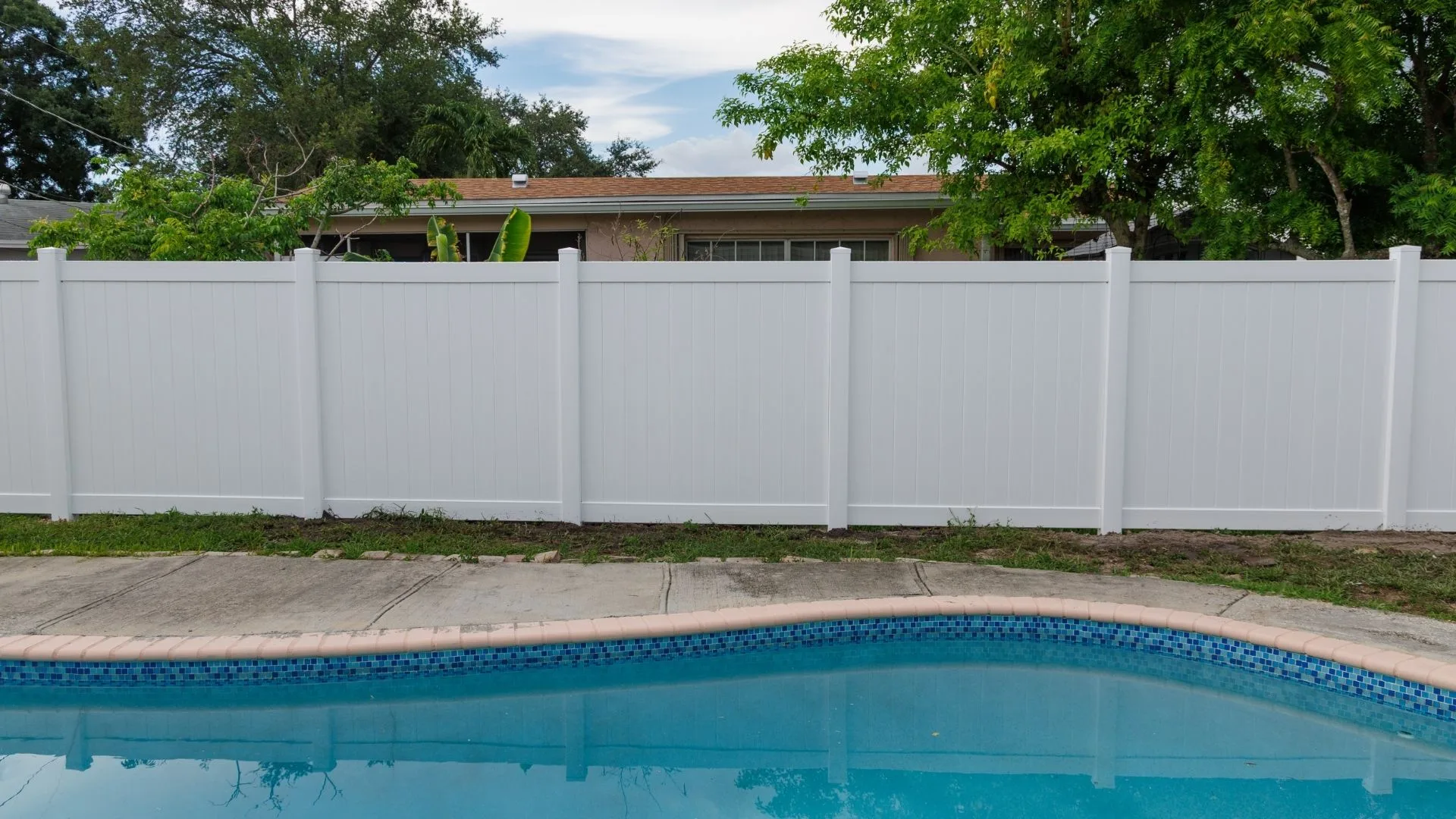
- Vinyl pool fence uses picket spacing built to clear the ball test from the factory, paired with self-closing stainless steel hinges and a stainless post latch, or Tru-Close hinges with a two-sided Lok n Latch system depending on the style chosen.
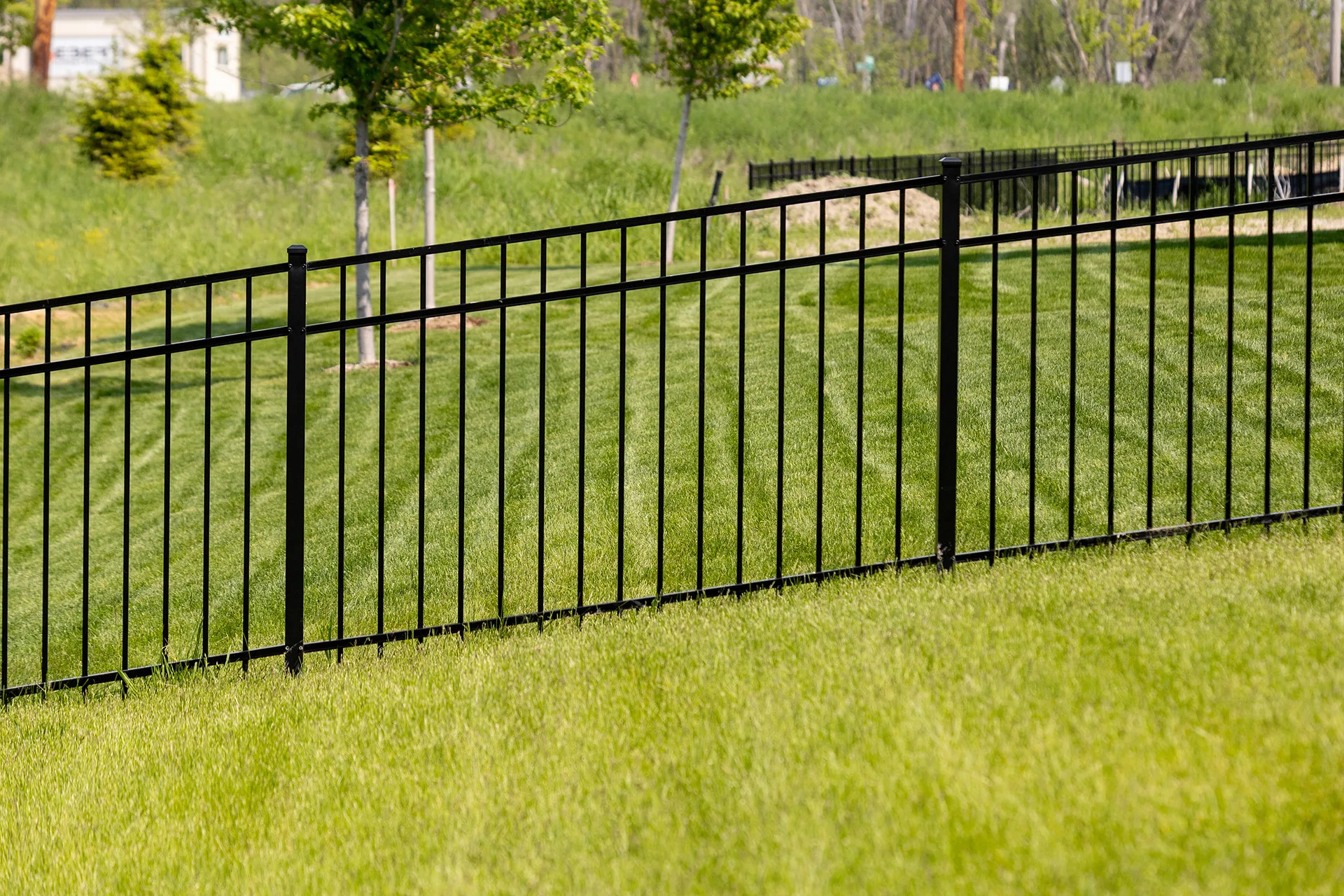
- Aluminum pool fencing runs the same Tru-Close hinge hardware with a Z-Lok double-handed latch, and the vertical picket profile sidesteps the horizontal-rail problem entirely, since there’s nothing built into the fence for anyone to climb. Fences from Superior Fence & Rail come with this hardware standard, engineered around these rules from the start rather than patched on after an inspection fails.
- Chain link can technically serve as a pool barrier too, but it takes more planning to satisfy the same opening and climbability standards, and it’s not always what a homeowner pictures when they imagine the view from their new pool deck.
St. Augustine, Nocatee, and Everywhere In Between
St. Johns County isn’t one market wearing a single zip code, and I notice the difference on every call. A pool going in behind a new build in Nocatee usually comes with an HOA architectural review board that cares as much about picket color and sightlines as it does about safety. A pool going in on an older lot near the historic district needs a fence builder in St. Augustine who understands how a property’s age and lot lines interact with the permitting process. HOA approval and historic guidelines stack on top of the pool code, they don’t replace it. Whatever the neighborhood adds on top, the state barrier standard is still the part I’m signing off on.
If you want more detail on gate hardware options or how quality warranty coverage works on pool fencing, Superior Fence & Rail lays it out on their FAQ page—worth a look before you’re standing in your yard waiting on someone like me.
The Right Pro Makes All the Difference
Getting your St. Johns County pool fence requirements right the first time isn’t about finding a shortcut in the code. It’s about starting with an installer focused on the rules from the beginning instead of hoping everything lines up later. Explore Superior Fence & Rail’s pool fencing options for St. Johns County, and figure out what fits your yard before the pool installer’s clock starts ticking.
About Emma
Emma Butcher is a content writing professional at Urbain Marketing. She specializes in writing content for fence companies and fence installation in local markets.
Get A Fence Quote Today!
Great Fences Make Great Neighbors!
- Best Quality Fences
- Highest Customer Satisfaction Rating
- Fence Financing Options
- Licensed, Bonded & Insured
Your Superior Fence and Rail service team is standing by! Get a fence installation quote today!