
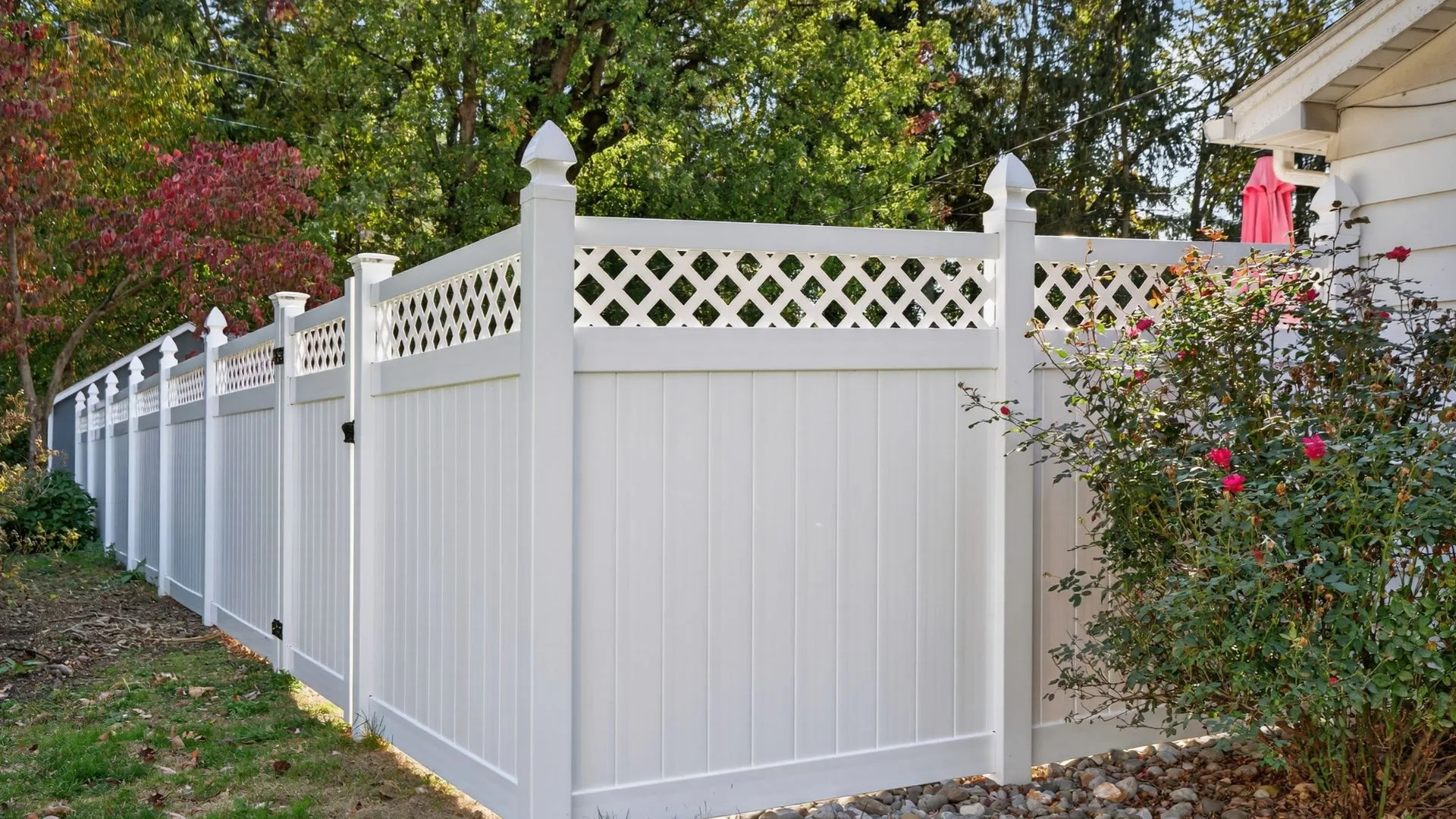
Cottonwood Heights Fence Installation: How to Get a Taller Fence Approved
- Jennifer Welsey
-
Nov 20 2026


It’s the scenario everyone building a custom home improvement project dreads: you design the perfect privacy fence solution, work with the Community Development office to go above and beyond the standard zoning allowance, and on the day of the build you find out there’s a problem—you’re back to the starting line. There’s a simple way to make your custom Cottonwood Heights fence installation meet every approval, and this guide will show you the steps you need to take to get it right with the help of a pro fence builder on your team.
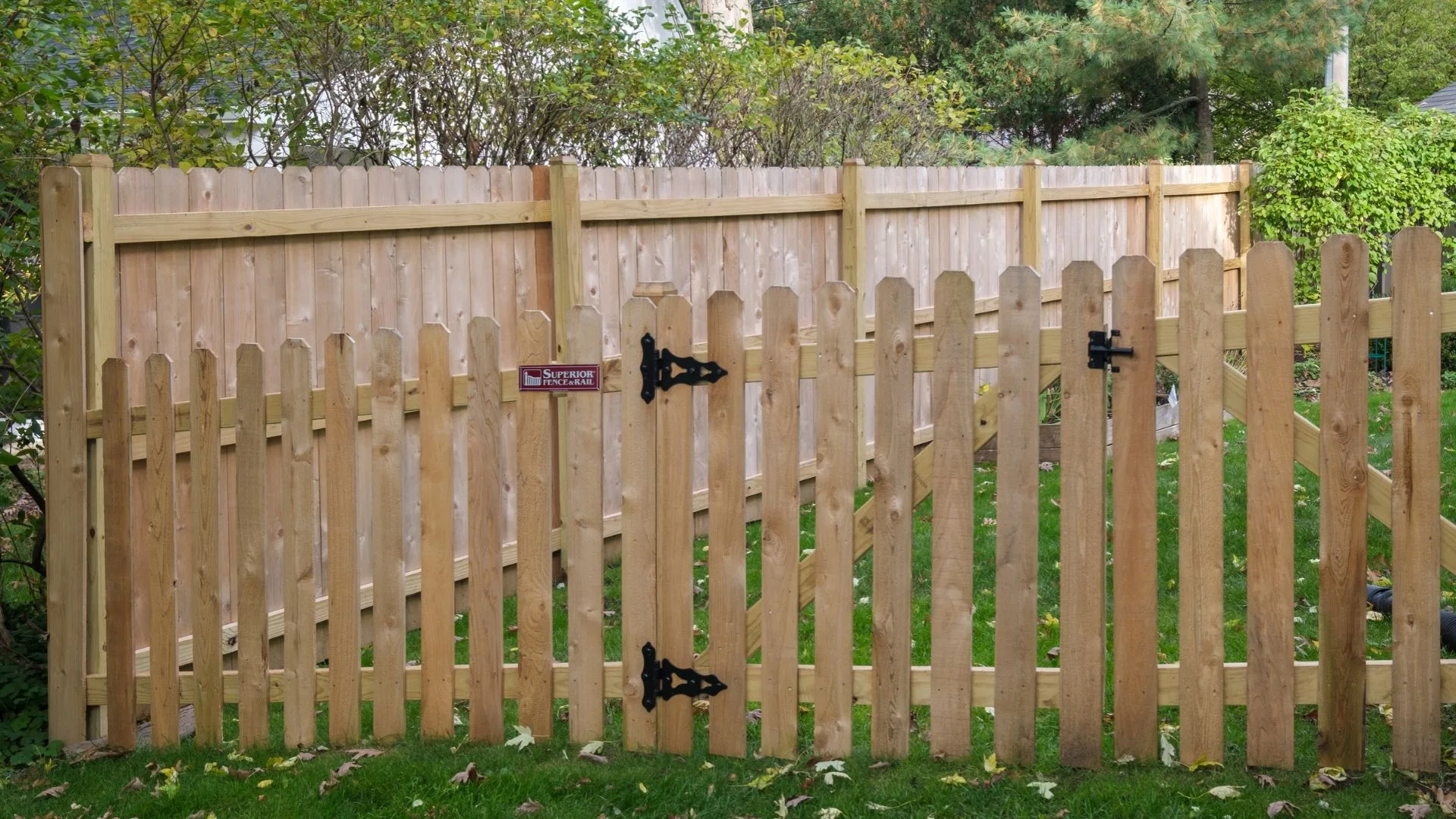
If you’re reading this, you probably already know that six feet is the standard privacy fence height in Cottonwood Heights, but that doesn’t always work for every property’s privacy design. What’s not well publicized is that the city will let you go higher—up to eight feet in your side and rear yards, and up to twelve if you’re willing to do some paperwork. The process isn’t complicated, but it’s specific, and if you skip a step you’re starting the whole thing over.
So here’s the fence project design steps to follow when you want more than the “standard six.”
The Standard Rules
Before you start talking taller, know what the city allows without any extra approval. The zoning ordinance—§ 19.76.050(E)—sets the baseline:
Front yards cap at four feet. Side and rear yards cap at six feet. Under those limits, no Cottonwood Heights fence permit is required and no hearing is involved. You pick your material, you pick your Cottonwood Heights fence builder (Superior Fence & Rail does this every week out here), and you build.
But six feet doesn’t work for everybody. Maybe your lot backs up to a busy road, or your neighbor’s deck sits just high enough that they can see everything you’re doing in your backyard. That’s when you need the conditional use process.
Step One: Make Sure Your Yard Qualifies
I’m going to save you some time. The city only grants height extensions in side and rear yards. Front yards are locked at four feet—no conditional use permit, no exception, no appeal. If the fence you want taller runs along the front of your property, that’s it. Stop here.
Side and rear? Keep reading.
Step Two: Know the Two Height Tiers (and Check Corner Lots)
Cottonwood Heights breaks it into two levels, and the difference matters:
Six to eight feet requires a conditional use approval. You apply, the city sets an administrative hearing, and you explain why you need it.
Eight to twelve feet requires that same conditional use approval plus written consent from every neighbor whose property touches that fence line. Every single one. One neighbor says no, you’re capped at eight.
One important exception—if your side or rear yard sits next to a commercial zone or a public street, you can go up to twelve feet without conditional use or neighbor consent. The city figures the context already calls for more screening. Superior Fence & Rail can tell you which exception applies to your lot before you file anything.
There’s a third height rule that comes into play if your lot is at the intersection of two roads. Whether or not your fence triggers a building permit, Cottonwood Heights enforces clear traffic sightlines on corner lots. Draw a line with points 30’ on each street, and any fences, walls, or hedges in that zone can’t exceed three feet. If you’re on a corner lot and you ignore this rule, it’s one of the fastest ways to get your project tagged.
Step Three: The Hearing
People get nervous about this, but it’s not a courtroom. The administrative hearing is run by the Community Development director or a designee. You need to show two things:
One—your property has unique conditions that create a real problem a standard-height fence doesn’t solve. Natural, material, and adverse circumstances are what can qualify, and Superior Fence & Rail has the experience to know what issues move the needle and what don’t.
Two—a taller fence is the most reasonable solution. Not the only solution, but the most reasonable one.
Abutting property owners get notified and can comment. But the decision belongs to the hearing officer, not to a neighborhood vote.
Step Four: Get Your Building Permit
This trips people up. Every fence approved through conditional use still requires a separate building permit. The permit covers materials, design, and—if the hearing officer requires it—a landscape plan. You build after the permit is issued, not after the hearing alone. Most people starting a Cottonwood Heights fence installation don’t realize these are two separate approvals, and that’s where the timeline falls apart.
That’s why working with a Cottonwood Heights fence company that knows this process matters. Superior Fence & Rail helps you with both steps—the conditional use application and the building permit—so you’re not bouncing between city offices trying to figure out which form goes where.
Step Five: A Cottonwood Heights Fence Installation That Lasts
A taller privacy fence height means more material and more wind load, and if you’ve lived here through a winter you know what rolls down Big Cottonwood Canyon. That’s why vinyl fencing is worth a serious look—Superior Fence & Rail builds vinyl to a heavier standard than the average box-store product, with engineered features like StayStrong rails and PrivacyLock pickets designed to withstand coastal Florida storm conditions.
Superior Fence & Rail backs every Cottonwood Heights fence installation with a three-year workmanship warranty on top of the lifetime transferable warranty on vinyl and aluminum and excellent product warranties on wood and composite fencing. Financing is available if you qualify—and a contractor with the financial backing to offer same-as-cash loans means they’ve got the staying power to be there down the road when you need your warranty the most.
The Bottom Line
Contact Superior Fence & Rail of Salt Lake City and get the taller fence you need—permitted, approved, and built by a Cottonwood Heights fence builder who knows the process from step one.
About Jennifer
Jennifer Welsey is the Director of Operations at Superior Fence and Rail. With 12 years in manufacturing specializing in aluminum and vinyl products, plus hands-on experience in supply chain and vendor relations, she brings deep material expertise to every project. A UNC Charlotte graduate, Jennifer believes homeowners deserve to know what they're really getting when comparing fence quotes, not just the lowest price. Outside of work, she's a proud mom to 3 wonderful sons, a full-time dog lover, and a part-time bookworm.
Get A Fence Quote Today!
Great Fences Make Great Neighbors!
- Best Quality Fences
- Highest Customer Satisfaction Rating
- Fence Financing Options
- Licensed, Bonded & Insured
Your Superior Fence and Rail service team is standing by! Get a fence installation quote today!