
Rural Lots, Real Fences: Choosing a Tolland County Fence Company This Fall
- Jennifer Welsey
-
Sep 15 2026


Out here in Tolland County, plenty of property lines are still a stone wall somebody stacked by hand a couple hundred years ago—and a stone wall is a beautiful thing right up until you need it to keep a dog in. It marks where your land ends. It does nothing to slow down a Lab who’s decided the good smells are two lots over. That gap between what a wall says and what a fence does is where a lot of fence projects around here start.
On a lot with real acreage, a fence does more than one job. This isn’t the quarter-acre-in-a-subdivision situation where all you want is to screen the patio from the neighbors. In a county that still runs 356 farms across roughly 30,000 acres, with rolling ground and tree lines and animals in the mix, a fence has to earn its keep three or four ways at once. That’s why so many folks skip the off-the-rack panel and call a Tolland County fence company that builds to the land it’s standing on, not to a catalog.
What a Tolland County Fence Company Weighs First
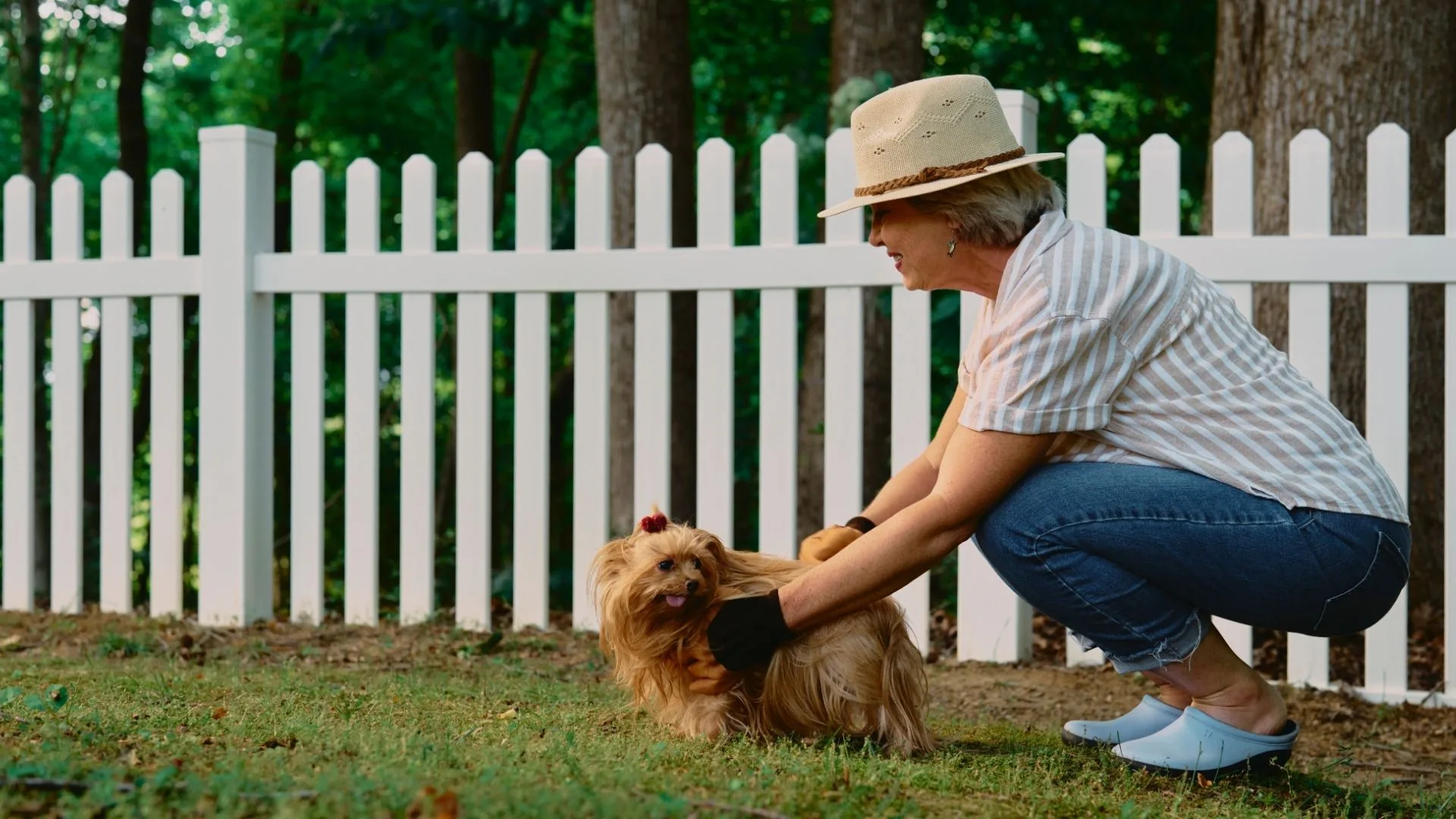
When you’ve got space, the dog has space—and that changes what the fence is up against. Three acres backing up to the woods out in Willington or Ellington gives a dog room to build a real head of steam and a real interest in whatever’s past the tree line. By the time he reaches the fence he’s committed, and it has to be built to take the hit and hold—height, strength, and a bottom he can’t dig under—not just stand there looking like a property line.
Horses and livestock raise the stakes again. A horse leaning into agricultural fence is a very different load than a beagle testing a pet fence, and out here the wrong fence isn’t just an escaped animal—it’s a vet bill, or a liability claim when something gets loose near a road. So we size the fence to whatever’s living behind it: height and real strength for horses, tighter spacing down low where a dog or a goat would work the bottom. Superior Fence & Rail would rather ask what the fence is holding before it quotes than after you call about a hole in it.
The Property Line—and Who Owns the Fence on It
Before you set a single post, it’s smart to know where the line really is—not where the stone wall drifted to over two centuries of roots and heaving ground. A survey settles it.
What catches people off guard is what Connecticut does next. A fence built right on the property line is a “division fence,” and the state treats it as shared. Even if you pay for the whole thing, a neighbor who later encloses their own land using your fence as one side can be on the hook for half the upkeep. And if the two of you can’t work it out, your town still keeps a “fence viewer”—a real official, a job that goes back to colonial New England—who can come out and rule on it. Useful to know before you’re the one paying for the whole run and just assuming that’s how it goes.
A Fence Installation For the Land, Not the Catalog
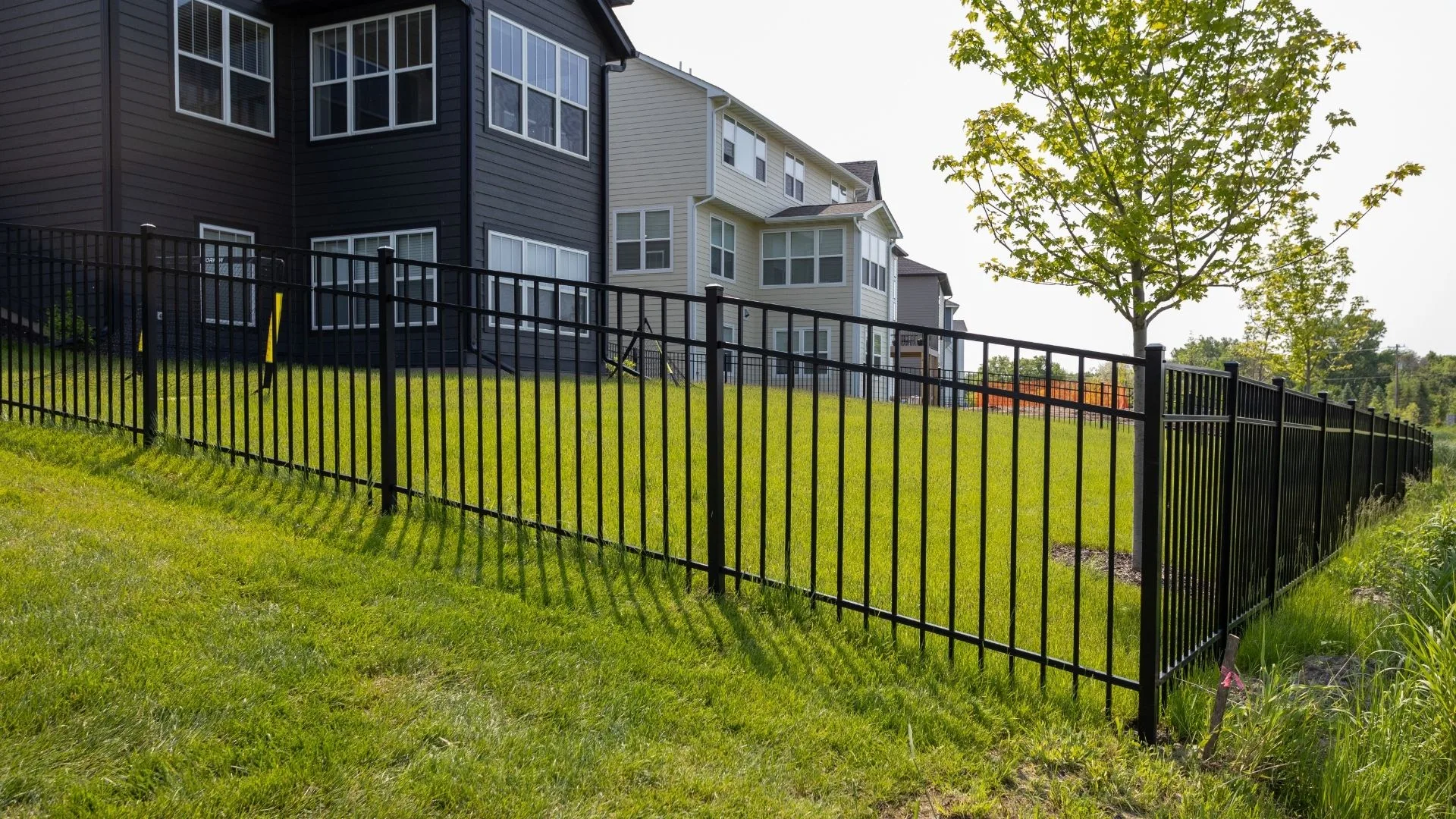
Rolling terrain is where the off-the-rack approach comes apart. A long run riding up and down Tolland’s hills has to be racked and stepped to follow the grade, or you get a stiff, flat fence with daylight gaps underneath it that a determined dog reads as a door. And most rural perimeters aren’t one fence anyway—they’re a few. Post-and-rail along the road frontage because it suits the property and the old New England look. Welded wire tucked behind it where the dog actually runs. A pocket of wood fence by the patio for a little screen where you sit.
That mix is the custom part, and it’s most of what a good crew brings to a rural lot. Superior Fence & Rail walks the full perimeter, reads the ground, and matches the type to the job in front of it—aluminum where you want it sharp and long-lasting, wood where you want the screen. Explore the fence options and you’ll notice the same lot can want three different ones.
Why This Fall, Specifically
It comes down to the ground. New England digging has a back door that shuts every year: once real cold settles in and the ground freezes up, setting posts goes from slow to flat-out impossible, and there’s no rushing it. Book a fall fence installation in Tolland County and the crew gets posts into workable ground now, instead of you landing in the spring rush behind every other homeowner who had the same idea in April. If a custom fence has been rattling around your to-do list since summer, this is the stretch that actually moves it forward.
Start with a walk around your perimeter—note where the dog likes to explore, and where a gate makes sense for how you use the yard. Bring that to a Tolland County fence builder who knows this ground, and they’ll sort out the type, the layout, and the timing with you.
Fencing real acreage is a bigger job than a small suburban lot, too, so the number runs higher. Financing is there if you’d rather fence the whole perimeter right the first time instead of piecing it out.
When you’re working down a “fence company near me” list, look for the one that asks about your acreage before it talks about a price—that’s the tell you’ve found the right Tolland County fence company for the job. Reach out to Superior Fence & Rail of Hartford for a free estimate.
About Jennifer
Jennifer Welsey is the Director of Operations at Superior Fence and Rail. With 12 years in manufacturing specializing in aluminum and vinyl products, plus hands-on experience in supply chain and vendor relations, she brings deep material expertise to every project. A UNC Charlotte graduate, Jennifer believes homeowners deserve to know what they're really getting when comparing fence quotes, not just the lowest price. Outside of work, she's a proud mom to 3 wonderful sons, a full-time dog lover, and a part-time bookworm.
Get A Fence Quote Today!
Great Fences Make Great Neighbors!
- Best Quality Fences
- Highest Customer Satisfaction Rating
- Fence Financing Options
- Licensed, Bonded & Insured
Your Superior Fence and Rail service team is standing by! Get a fence installation quote today!