

The Plainfield Fence Permit Myth—and the HOA Rules That Do Apply
- Joseph Dominiak
-
Sep 15 2026


You’ve got the tape measure out, you’ve walked the line in your head, and now you’re stuck on the dull question that stalls a lot of projects before a post ever goes in: do you need a fence permit in Plainfield for this? It’s the right thing to ask first. The good news is the answer’s easier than you’d guess—and the part people trip over isn’t the permit at all.
Plainfield has cared about who’s responsible for what along the National Road for a long time. This is the town that, back in 1842, bounced former President Martin Van Buren out of his stagecoach and into the mud of old US 40—now Main Street—as payback for vetoing a road-improvement bill. The elm that toppled his carriage got a name and a marker that still sits where it stood. Nobody’s tipping you into the mud over a backyard fence. But that instinct about doing right by what’s on the ground here is alive and well, and it’s important to understand the lay of it before you build.
Good News on your Plainfield Fence: You Don’t Need a Permit
Straight from the town: Plainfield does not require a building permit to put up a fence. That’s it. No fence permit that Plainfield Indiana homeowners have to stand in line for, no application fee for the fence itself. The Plainfield fence permit you were bracing for mostly isn’t a thing.
Before you celebrate too hard—the permit going away doesn’t mean the rules go away. The town still expects your fence to meet the zoning ordinance, and that’s a different animal than a permit. That’s where the real rules live.
Plainfield Fence Regulations Come Down to Placement
If the town isn’t checking a permit, what is it checking? Where the fence sits. The rules that bite are about placement, not paperwork:
- Easements. Your yard may have a drainage or utility easement running through it, and a fence can’t interfere with what that easement is there to do. Put one in the wrong spot and you can be the one digging it back up when the utility needs access.
- Setbacks and corner visibility. How far the fence sits off the line, and how low it has to stay near a corner where it could block a driver’s view, both matter.
- Height. Plainfield caps fence height, and the cap changes with where the fence goes. Confirm the number for your lot with the town’s Planning and Zoning department before you fall for a design—a two-minute call that saves a rebuild.
None of that needs a permit. All of it can still make you move a finished fence if you get it wrong, which is a far worse afternoon than one phone call.
Your HOA Is the Real Gatekeeper
The surprise for a lot of Plainfield homeowners is that the town’s the easy part. Your HOA is the one to clear.
Plainfield has boomed—that 45-million-square-foot warehouse district out by the airport brought people, people brought subdivisions, and most of those newer neighborhoods come with a homeowners association and a book of covenants. The Plainfield HOA fence rules in your subdivision can be stricter than anything the town asks: approved types, approved colors, heights lower than the town allows, and limits on where a fence can start relative to your house. A style that’s fine three streets over can get bounced in your neighborhood.
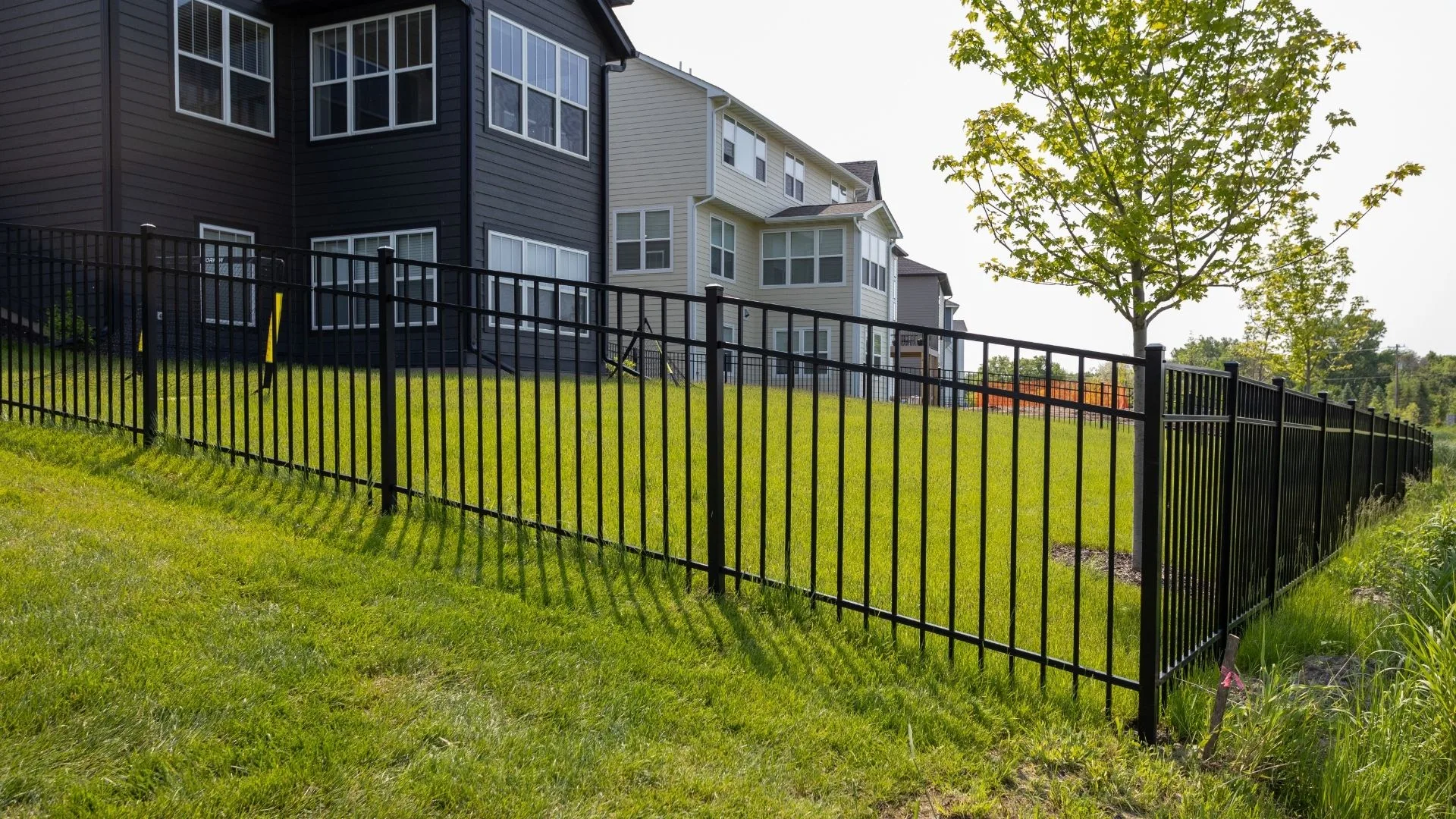
So before you finalize anything, get your association’s requirements in writing. Ask specifically what makes a HOA approved fence that Plainfield committees sign off on—usually black aluminum, or wood and vinyl in set styles and colors. Bring them options, not a single request. And do the HOA first, because its review runs on a meeting schedule while the town’s placement rules don’t wait on a committee.
Know Where the Line Is—and Call Before You Dig
Two last things that head off real headaches. Know where your property line truly runs, not where you’ve always assumed it does; a survey ends the argument before it starts. And Indiana’s 811 rule wants a couple of working days’ notice before anyone digs, so the utility lines get marked and nobody drops a post through a cable.
A good crew folds all of this into the job. Superior Fence & Rail reads your easements, checks placement against the ordinance, and works from your HOA’s approved list so the design clears the first time—the install runs start to finish without the paperwork landing on your kitchen table.
Decide the Look, Let Someone Else Chase the Rules
The Plainfield fence permit was never the hard part. The order of operations is: line, easements, HOA, then posts. Get that sequence right and the fence goes up clean.
Pick the look you want—browse the aluminum and vinyl styles Plainfield HOAs tend to wave through—and let Superior Fence & Rail handle the placement, the ordinance, and your association’s sign-off. If spreading the cost out helps, ask about financing. Then the only decision left is where to hang the gate.
About Joseph
Joe Dominiak is President of Superior Fence & Rail, leading the company's strategic vision, franchise growth, and operational excellence across North America. With more than three decades of executive leadership experience across franchise and multi-unit businesses, including prior roles as CEO of Buddy's Pizza and President/COO of ARC Group, he's built a career on developing strong leaders and scalable systems. A Chicago Booth graduate and former U.S. Air Force officer, Joe is passionate about servant leadership and building cultures where people and performance thrive together.
Get A Fence Quote Today!
Great Fences Make Great Neighbors!
- Best Quality Fences
- Highest Customer Satisfaction Rating
- Fence Financing Options
- Licensed, Bonded & Insured
Your Superior Fence and Rail service team is standing by! Get a fence installation quote today!