
Rebuilding Your Pacific Palisades Fence After Wildfire
- Jennifer Welsey
-
Aug 26 2026


For most people rebuilding in the Palisades, the fence is the last thing on the list, and that makes sense. When you’re buried in soils reports, framing schedules, and a claim that won’t quite close, the fence sits somewhere below almost everything else. It’s still worth getting ahead of, though, because the rebuild is the easiest moment you’ll ever have to do it right. A Pacific Palisades fence replacement planned into the project now saves a lot of the stress of one bolted on after you’ve moved back in, and Superior Fence & Rail has been walking neighbors through that step for months. None of it is complicated once you know what really drives the decisions.
Where the Fence Fits in the Rebuild
The fence is one of the last things to physically go in—you’re not setting posts next to an active framing crew—but the decisions about it start early. Materials, placement, and especially what happens in the first five feet around the house are far easier to sort while the plans are still on the screen than after the hardscape is poured.
If you’ve already got an architect and a general contractor, loop the fence in at the design stage, not the punch list. A wildfire rebuild fence contractor who coordinates with the trades already on your lot can sequence the work so the fence lands when the site is ready for it, instead of three months late. Installation on an active rebuild is as much about timing and coordination as it is about digging.
Zone Zero: The First Five Feet Around the House
If there’s one idea to build the plan around, it’s Zone Zero—California’s push to keep the first five feet around a structure ember-resistant. The short version: anything combustible right up against the house, including a wood, vinyl, or composite fence attached to it, is a path embers can follow straight to the wall.
The standards are still being finalized statewide, and different cities and fire-hazard designations phase in on different timelines, so this isn’t one universal deadline. But a rebuild is where it matters first. New construction and major remodels are exactly where these expectations land soonest, and it’s far simpler to design the fence for the first five feet now than to retrofit it later. Superior Fence & Rail’s Zone Zero readiness guidance walks through which sections closest to the house to rethink and which materials fit that span.
Fire-Resistant vs. Non-Combustible: The Difference That Matters in the First Five Feet
This difference is the most talked-about part of Zone Zero, but it’s worth getting right. People shop for fire-resistant fencing in Pacific Palisades and assume anything labeled fire-safe will clear the bar. But “fire-resistant” and “non-combustible” aren’t the same standard.
Fire-resistant materials slow ignition; they can still burn with enough heat or direct flame.
Non-combustible materials can’t burn at all—and Zone Zero is built around non-combustible materials specifically. That’s why even treated wood or a fire-rated composite falls short inside the first five feet, though either may be fine elsewhere on the property.
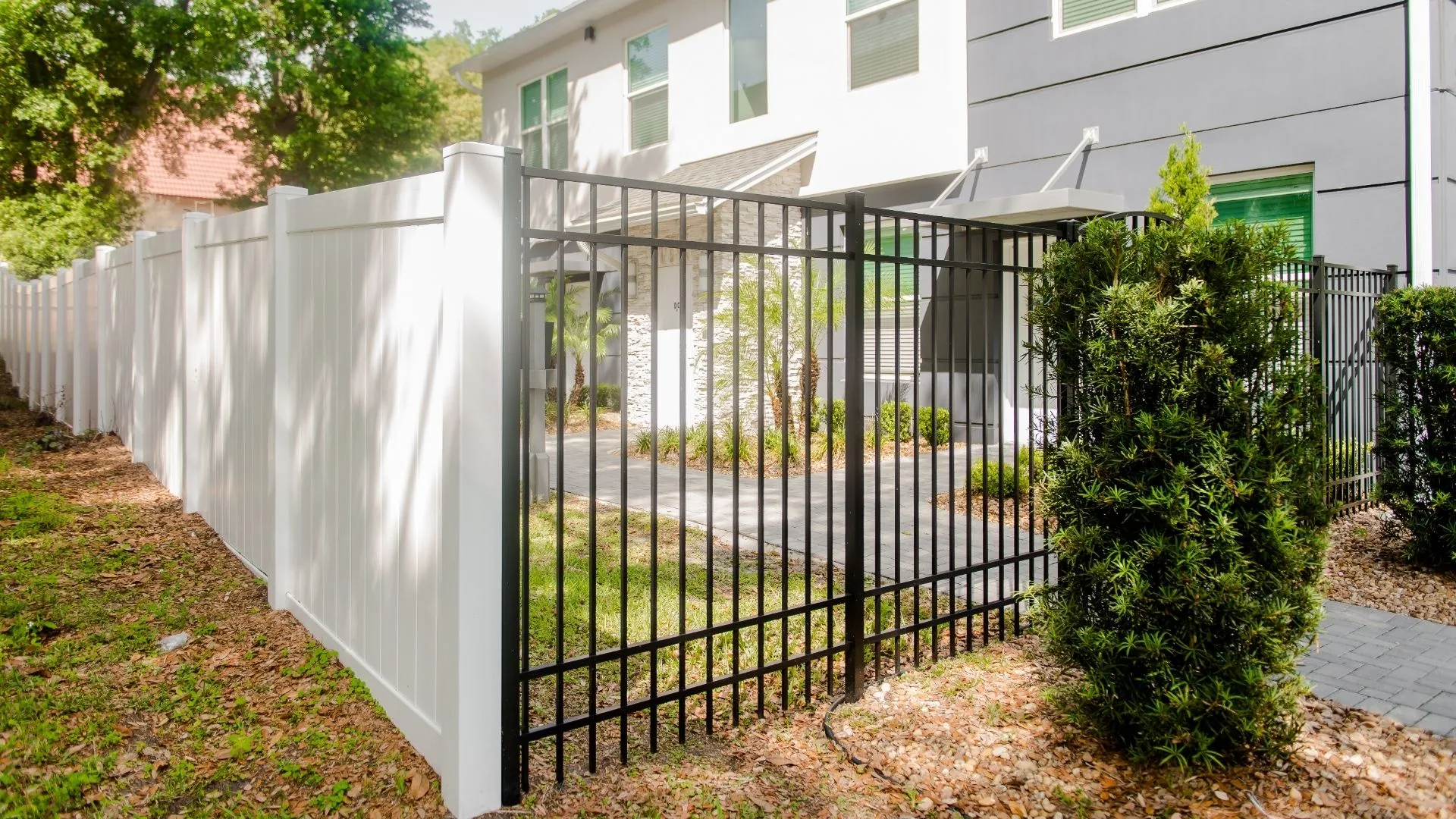
For that five-foot band, non-combustible means metal. Aluminum and steel give you a clean, modern line that suits a high-end rebuild, and metal chain link is the economical non-combustible option for a larger or back-of-property run. Wood, vinyl, and composite all burn or melt, so the standard fix for a wood fence you love is a non-combustible span—metal—where the fence meets or runs near the house, with the wood starting beyond that five-foot band. That metal section is what breaks the fire’s path to the wall.
| Material | The first five feet by the house |
| Aluminum, steel, or metal chain link | Non-combustible—meets the Zone Zero bar |
| Treated wood / fire-rated composite | Fire-resistant, but still combustible—falls short here |
| Wood, vinyl, or standard composite | Combustible—keep it beyond the five-foot span |
Superior Fence & Rail specs that first-five-feet span in non-combustible metal and keeps your options open past the line.
Hillside Lots Change the Job
A lot of Palisades property sits on a slope, and hillside fence installation is its own discipline. Grade changes mean a fence has to step or rack cleanly instead of leaving gaps at the bottom, and on the steeper lots it has to work around the same caissons, retaining walls, and landscaping realities the house is built on.
That’s another reason to bring the fence in during design: the crew setting posts on a slope needs to know what the soils report and the structural plan already say, so nobody’s drilling into a caisson or fighting a retaining wall that could have been planned around. Done right, a fence follows the hill like it was always there.
Insurance, Permits, and the HOA
Three timelines run alongside the build, and the fence touches all of them.
- Insurance settlements often stretch a year or more, and “ordinance and law” coverage—the code-upgrade piece—is frequently where fencing that has to meet newer standards can fit, so check those limits with your adjuster.
- Permits run through the city’s expedited fire-rebuild track, but the technical requirements, wildfire-compliance items included, still apply.
- Finally, the Pacific Palisades HOA fence rules in your neighborhood can set height, style, or material limits on top of code.
Requirements vary by jurisdiction, so confirm the specifics with your local fire authority, HOA, and insurer before you settle on a design.
Planning a Pacific Palisades Fence Replacement Into the Rebuild
The homeowners who find this easiest are the ones who treat the fence as part of the project instead of an afterthought. Superior Fence & Rail plans a Pacific Palisades fence replacement around the rebuild you’re already managing—matching the Zone Zero span at the house, choosing non-combustible materials where they count, sequencing the install with your other trades, and handling the permit and HOA details. You’ve coordinated enough contractors this year. The fence should be the part that just gets handled.
And if the fence is waiting on a settlement, financing can bridge the timing so the schedule doesn’t stall on it. Superior Fence & Rail can prequalify you with no credit-score impact.
When You’re Ready
You don’t have to figure the fence out today. But when the rebuild gets far enough along that the yard starts to feel like yours again, it helps to already have the plan. Explore the non-combustible options that fit Zone Zero and your lot, and when the time comes, reach out to Superior Fence & Rail of West Los Angeles to fold a Pacific Palisades fence replacement into the work you’ve already got moving.
About Jennifer
Jennifer Welsey is the Director of Operations at Superior Fence and Rail. With 12 years in manufacturing specializing in aluminum and vinyl products, plus hands-on experience in supply chain and vendor relations, she brings deep material expertise to every project. A UNC Charlotte graduate, Jennifer believes homeowners deserve to know what they're really getting when comparing fence quotes, not just the lowest price. Outside of work, she's a proud mom to 3 wonderful sons, a full-time dog lover, and a part-time bookworm.
Get A Fence Quote Today!
Great Fences Make Great Neighbors!
- Best Quality Fences
- Highest Customer Satisfaction Rating
- Fence Financing Options
- Licensed, Bonded & Insured
Your Superior Fence and Rail service team is standing by! Get a fence installation quote today!