
Wood or Vinyl Fence for Your Canoga Park Yard? A Four-Round Breakdown
- Emma Butcher
-
Jul 28 2026


Most people walk into the vinyl-versus-wood decision thinking it’s a question of taste and price. You appreciate the warm look of real wood, or you like that a vinyl fence never asks anything of you, and whichever one costs less on installation day takes the prize. That’s the version of the story where you get to decide. Out here, two things you didn’t invite get a vote too: the San Fernando Valley sun, which spends July doing to your fence what it does to a dashboard, and the subterranean termites working the soil under half the older lots off Sherman Way. So before you sign anything, it’s smart to run the vinyl vs. wood fencing in Canoga Park contest through the four rounds that settle it—maintenance, termites, heat, and budget. At Superior Fence & Rail of West Los Angeles, we sell both, so we’ve got no reason to talk you out of the one that fits your yard best.
Round One: Maintenance—Vinyl vs. Wood Fencing in Canoga Park
Here’s the part the price tag doesn’t mention. A wood fence isn’t finished when the installer drives off. It’s finished about a month later, when you seal it.
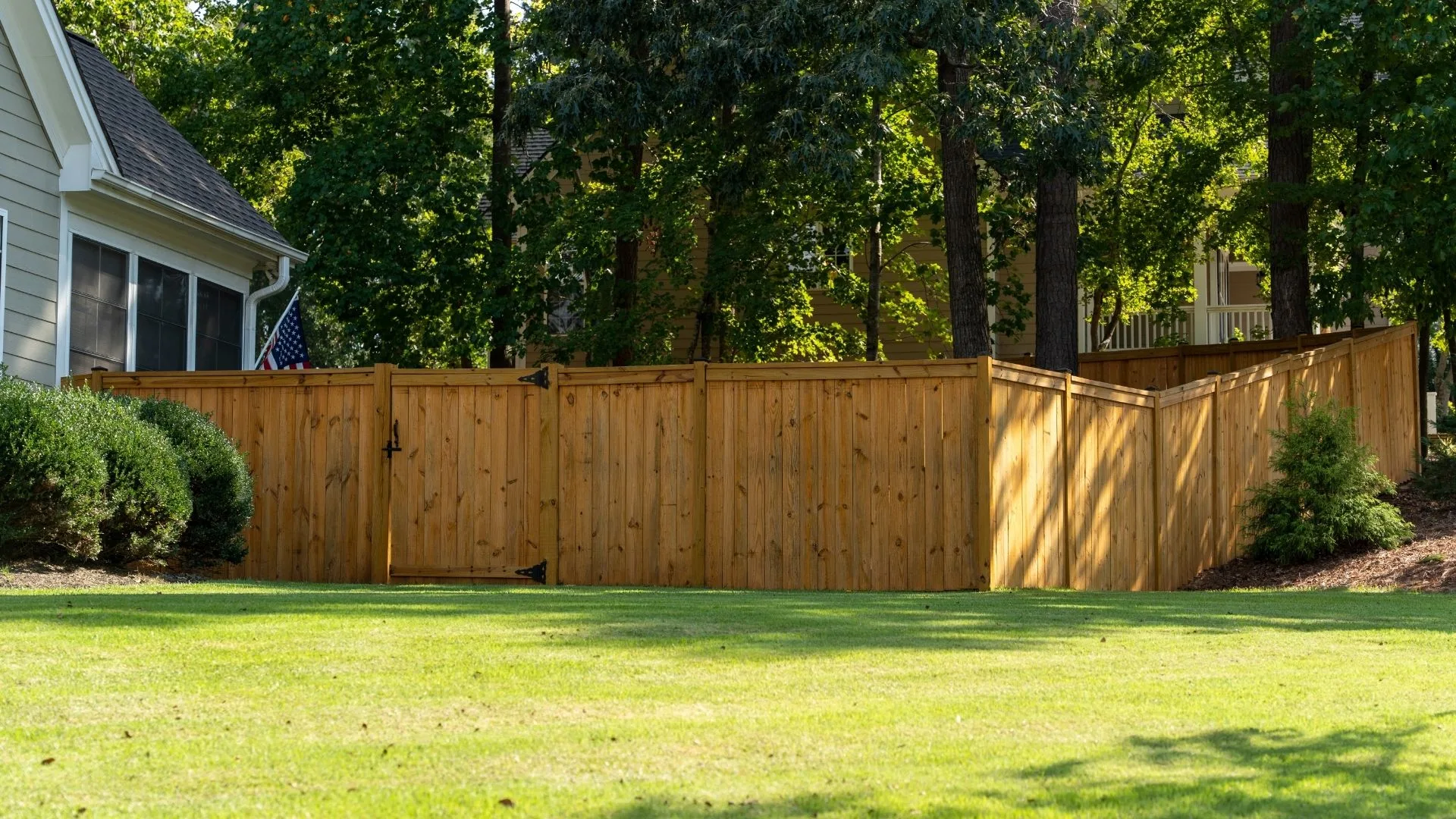
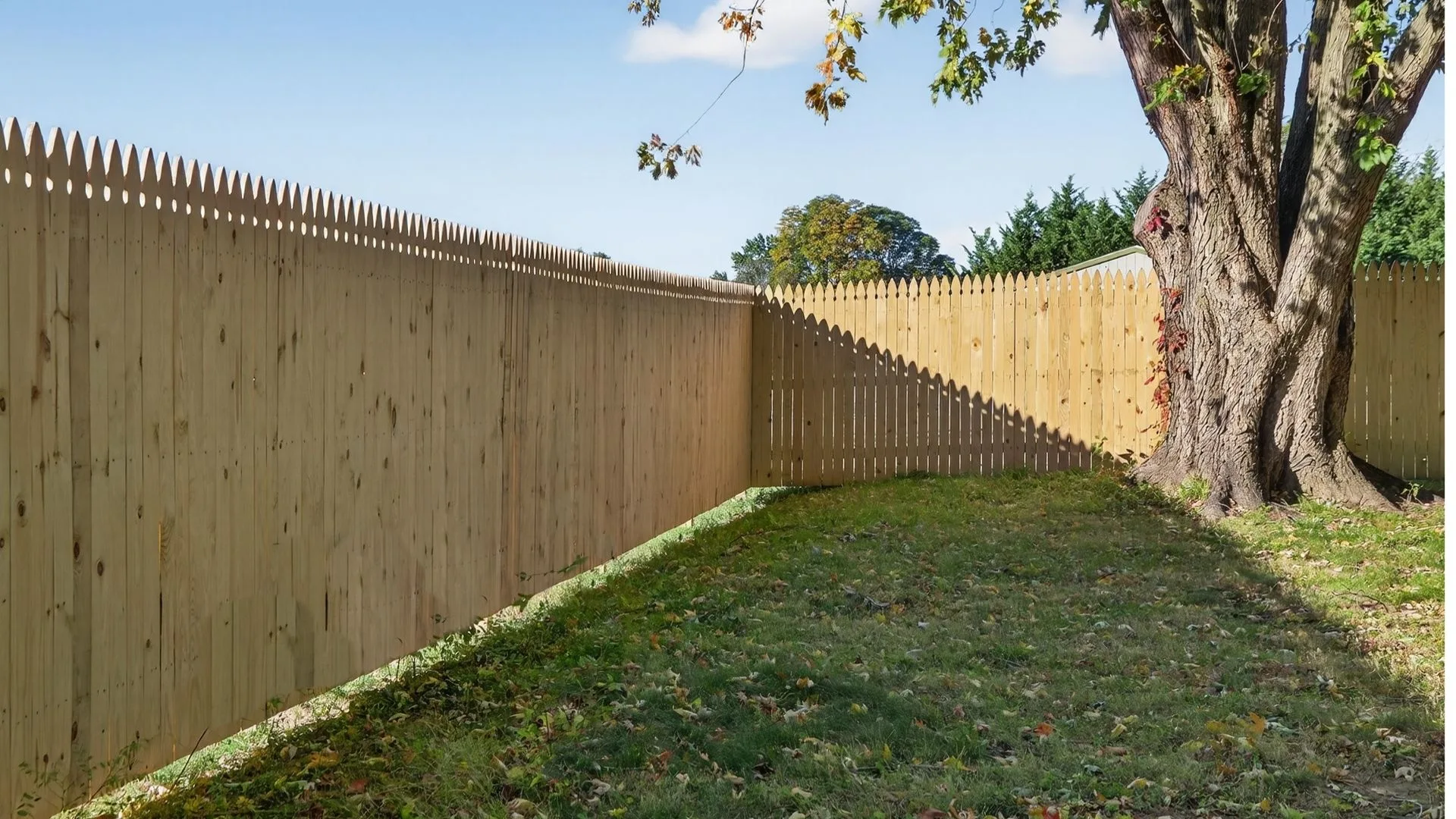
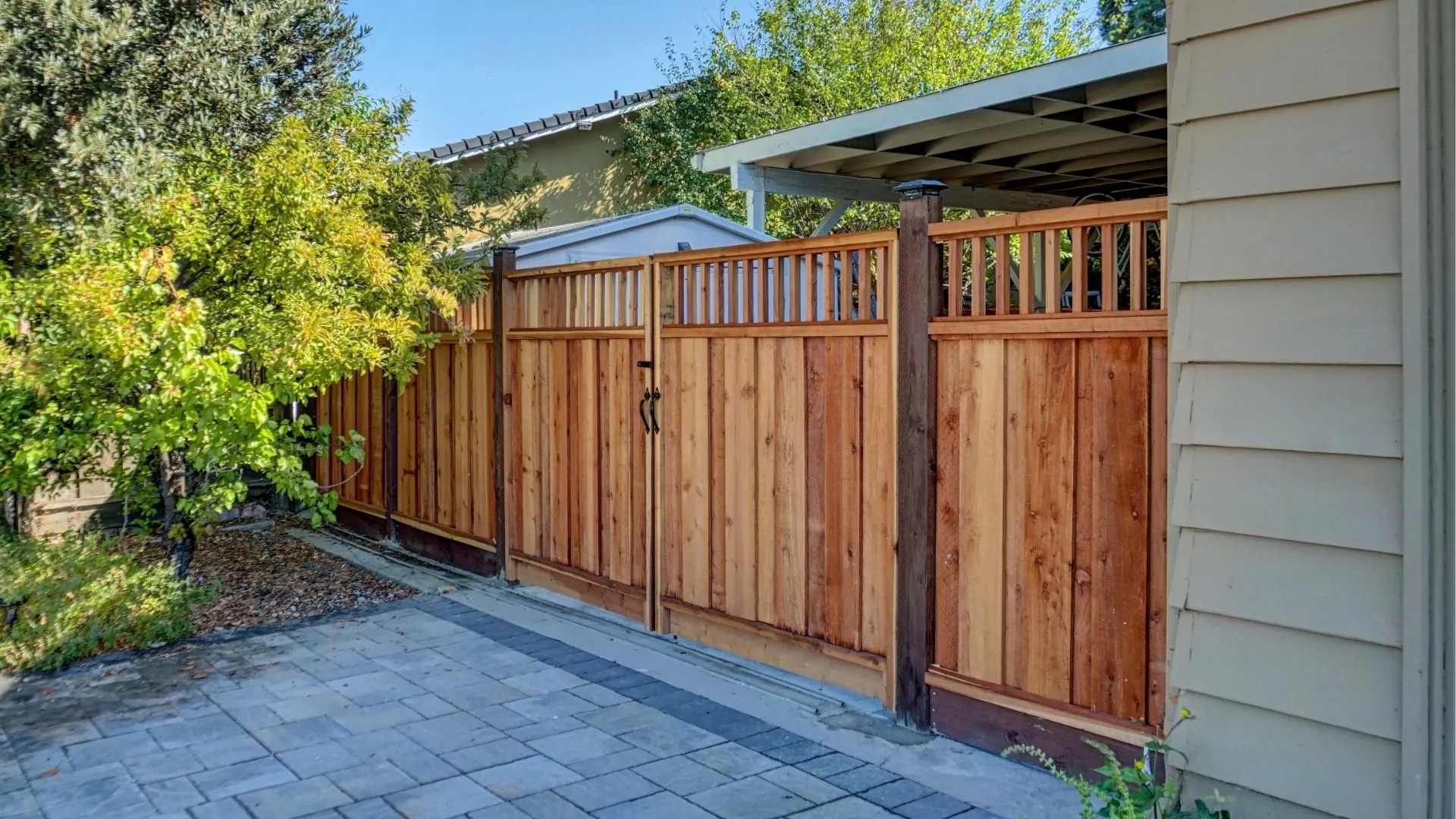
Superior Fence & Rail builds wood fences to acclimate first, which means somewhere in that 30-day-to-six-week window after installation, you’re up on a Saturday with a can of UV-stabilized stain and a brush, working the whole run. Then you do it again roughly every year, because Valley sun bleaches a finish faster than the label on the can plans for. Miss a couple of seasons and the boards go grey, then they check and cup, and the fence that looked so sharp off Topanga Canyon Boulevard starts looking like it’s been standing there since the Reagan administration.
Vinyl asks for a garden hose. That’s the entire maintenance conversation. Dust off a dry October, a little Santa Ana grime, some cobwebs in the corner post—you rinse it and walk away. No sanding, no staining, no priming cut ends, no annual anything.
Picture five summers of Saturdays. A wood fence claims one of them a year for upkeep. Vinyl claims a hose and ten minutes.
Round Two: Termites—Do Termites Damage Vinyl Fences?
This is the round the vinyl companies love, and they’ve earned it. Southern California has termites the way it has traffic: not everywhere all at once, but you’d be foolish to plan like they’re not around. Subterranean termites live in the soil and go hunting for wood at ground level, which is exactly where your wooden fence posts spend their whole lives.
So, do termites damage vinyl fences? No. They can’t. Vinyl is PVC, and a termite would sooner eat your patio umbrella. That puts vinyl near the top of the short list of fences a colony can’t touch:
- Vinyl (PVC)—nothing in it a termite recognizes as food
- Aluminum—same idea, plus it won’t rust here in the dry inland air
- Steel—heaviest of the three, and just as inedible
Wood isn’t defenseless, to be fair. Pressure-treated posts hold off the bugs and the rot for years, and there’s a reason Californians have loved redwood forever—it stands up in ground contact better than most softwoods, and cedar carries natural oils that termites would rather steer around. Superior Fence & Rail only installs top-grade lumber and backs the posts and horizontal rails with a lifetime warranty against insect damage. That’s resistance plus security.
But resistance isn’t immunity. Over a couple of decades in Canoga Park soil, a wood post is in a slow, patient negotiation with the colony underneath it, and the colony has all the time in the world.
Round Three: Heat—Which Fence Type Lasts Longer in Southern California Heat?
Now we’re on Canoga Park’s home turf. The Valley runs hotter than the coast by a wide margin for most of the summer, the Santa Anas come through in the fall and pull the moisture out of everything they touch, and the sun sits on your back fence for hours with nothing standing between it and the boards. This is where a lot of fences come apart—slowly, in ways you don’t notice for a few years.
Wood feels it first. As it dries and bakes, it shrinks, and as it shrinks it checks, cups, and works its own fasteners loose, which is why that annual sealing isn’t vanity. It’s the thing keeping the fence flat and square. Redwood and cedar take the punishment better than pine, and a well-kept wood fence can look fantastic for a long stretch out here. It just wants your attention to get there.
Vinyl handles the heat better, with one honest asterisk: not all vinyl does. The thin stuff off a big-box display can go brittle, warp, or chalk out under this kind of UV, which is where a good chunk of the “vinyl looks cheap” reputation comes from. Superior Fence & Rail vinyl is built from heavier stock than the discount panels and carries SolarShield UV protection baked into the cap layer—the part of the fence that works the sun’s full shift. It’s engineered for high-wind zones on top of that, so a stiff Santa Ana afternoon doesn’t rearrange it. Which fence type lasts longer in Southern California heat, then, comes down to a fair fight: quality vinyl mostly shrugs the sun off, and wood keeps pace only as long as you keep pace with it.
Round Four: Budget—The Number That Runs for Twenty Years
If you only look at installation day, wood usually wins the ticket price, and that’s a genuine advantage when the budget is tight right now. Nobody should apologize for that. But the low-maintenance fence versus wood fence cost question doesn’t close on installation day. It runs for twenty years, and that’s the real math behind vinyl vs. wood fencing in Canoga Park.
Add up two decades of stain, a fresh brush every so often, a weekend a year of your own time, and the odd board or post swapped out after a termite or a hard dry season, and wood’s early lead gets narrower. Superior Fence & Rail’s vinyl asks for more up front and close to nothing after: no finish to keep buying, no rot to repair, and a lifetime warranty that stays with the fence even if you sell the house.
Neither number is wrong. They’re measuring two different things. One is the check you write this month. The other is what the fence costs you in the background for as long as you own the place.
The right answer depends on which of those two numbers keeps you up at night.
So, Which One Wins in Canoga Park?
Here’s the scorecard, no punches pulled. Vinyl takes maintenance, termites, and heat on points, and gives back a little ground on up-front cost and on the specific warmth of real wood grain that some people will always want and should have. Wood is the right call when you love the look, you don’t mind the upkeep, or you want the lower entry price and you’ll stay on top of the sealing.
There’s no universal winner here. There’s only the fence that fits your yard and your tolerance for a paintbrush.
The best way to settle vinyl vs. wood fencing in Canoga Park isn’t to read one more comparison article—it’s to see both types up close and price them against your own property line. Browse the vinyl styles and the wood options with Superior Fence & Rail of West Los Angeles, walk your yard with someone who installs both, and let the fence that suits your slice of the Valley make its own case.
About Emma
Emma Butcher is a content writing professional at Urbain Marketing. She specializes in writing content for fence companies and fence installation in local markets.
Get A Fence Quote Today!
Great Fences Make Great Neighbors!
- Best Quality Fences
- Highest Customer Satisfaction Rating
- Fence Financing Options
- Licensed, Bonded & Insured
Your Superior Fence and Rail service team is standing by! Get a fence installation quote today!